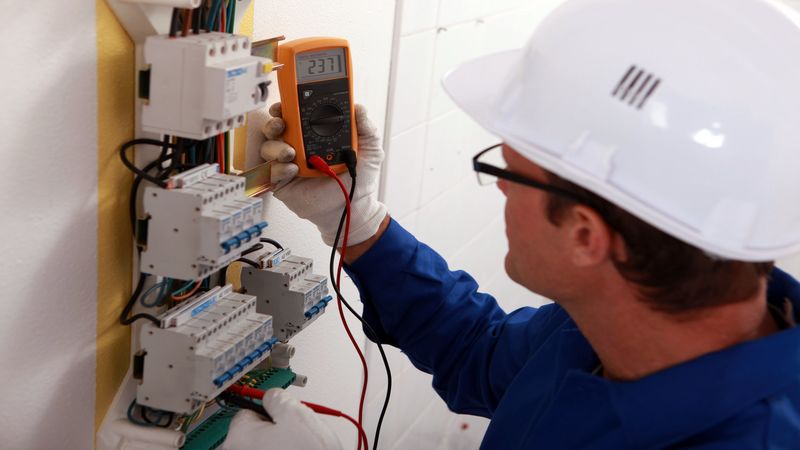
A transducer is a device that converts one form of energy into another, and a pressure transducer converts pressure into an electrical signal. A digital pressure transducer presents information without error in a digital form. Direct methods of digital output are now possible without the need for conversion from conventional analog readings. Through computer technology, output sensors can produce direct digital output, and control processors easily read encoded data or pulse trains generated by digital sensors.
Advantages
Manipulating, generating and signal storage is easy with digital transducer sensors. Accuracy measurement is absolute meaning no errors in readings. They make it possible to transmit over long distances high-level digital signals that are free of disturbance. The presentation of data is simplified, and its accuracy is far beyond traditional methods of analog reporting. Repeatable errors are eliminated, and high-resolution output makes adjustments easy. They are reliable and perform well under demanding conditions.
Features
Features vary on individual models, digital transducers commonly share some standard features. Remote pressure readings via smartphone interfaces are possible as well as pressure data logging. Alarms and updates are common features along with transducer calibration. Depending on the type they can be directly connected to a PC through a PCI slot, and others allow data collection via USB. Wireless models are available with cloud-based real-time data. They offer long term stability, and self-diagnostics and some designs offer ASCII command sets and connections via telephone or Ethernet jacks.
Uses
Digital pressure transducers or sensors are used over a wide array of industries such as weighing systems, natural gas, semiconductor processing, power plans, refrigeration, robotics, HVAC, transportation and testing and measurements. They are used in any industry that requires a high accuracy transfer standard, and digital transducers set transfer standards in pressure calibration needed for any manufacturing or testing facility.
The applications for the digital pressure transducer are as varied as the industries that use it. They offer improved safety and performance over standard analog models. Absolute accuracy is guaranteed, and high-resolution readouts make adjustments easy. Most models are shock resistant, and stand up to heavy uses and harsh conditions. They are fast replacing analog components as industry standards.
Louis Shea
Louis Shea, an experienced wordsmith, channels his passion for knowledge into creating compelling articles and blogs across a broad spectrum of subjects. From the realms of technology and science to the nuances of lifestyle and culture, he navigates diverse topics with precision and enthusiasm, offering invaluable insights to his audience. With a background in Journalism and a wealth of professional experience, Louis approaches each piece with a steadfast commitment to accuracy and lucidity, ensuring his readers receive credible and comprehensive information. His writing style effortlessly blends professionalism with accessibility, adept at making intricate concepts accessible to readers from all walks of life. Whether he's dissecting the latest breakthroughs in AI or unraveling the mysteries of ancient civilizations, Louis possesses a unique ability to distill complex information into engaging content that both educates and entertains. Constantly attuned to emerging trends and advancements, Louis Shea remains a trusted authority in the digital sphere, enriching the online community with his insightful perspectives and captivating narratives.