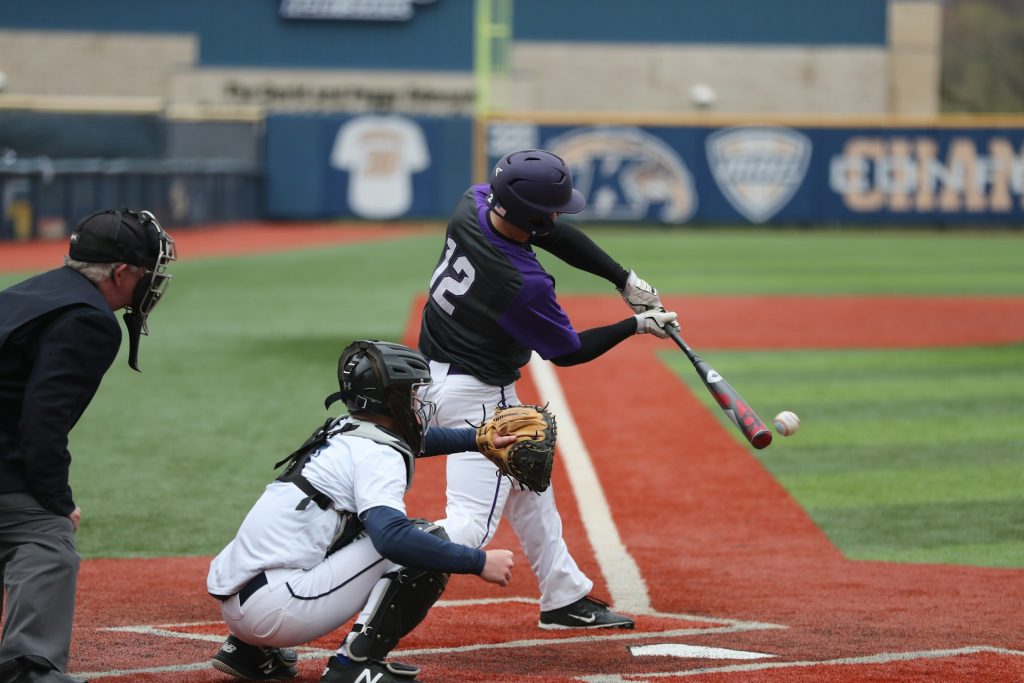
Across the United States, many high school athletes participate in more than one sport. While softball may be their primary passion, they often spend additional seasons competing in sports such as volleyball, basketball, soccer, track and field, or tennis. This multi-sport experience can provide valuable athletic benefits while also creating unique recruiting considerations.
As college coaches evaluate prospective players, they frequently encounter athletes whose schedules are divided among multiple sports. While some families worry that playing multiple sports could negatively impact recruiting opportunities, many coaches recognize the value of athletic versatility and diverse competitive experiences.
Understanding the opportunities and challenges associated with multi-sport participation can help athletes make informed decisions as they navigate the world of student-athlete recruiting and collegiate softball opportunities.
The Growing Discussion Around Sport Specialization
Over the past decade, youth sports have increasingly emphasized specialization. Many athletes feel pressure to focus exclusively on a single sport at an early age in hopes of improving recruiting outcomes.
However, numerous coaches continue to support multi-sport participation.
They recognize that competing in multiple sports can help athletes develop:
-
Athletic versatility
-
Coordination
-
Competitive resilience
-
Leadership skills
-
Mental toughness
-
Injury prevention strategies
Rather than viewing multi-sport participation as a disadvantage, many college coaches see it as evidence of well-rounded athletic development.
For athletes pursuing softball recruiting opportunities, understanding this perspective can help reduce unnecessary pressure to specialize too early.
Athletic Development Benefits of Multiple Sports
One of the greatest advantages of participating in multiple sports is the opportunity to develop a broader athletic foundation.
Different sports emphasize different physical skills.
For example:
Basketball
Can improve:
-
Agility
-
Footwork
-
Spatial awareness
-
Explosive movement
Volleyball
May enhance:
-
Hand-eye coordination
-
Reaction time
-
Vertical power
-
Communication skills
Soccer
Often develops:
-
Endurance
-
Speed
-
Field awareness
-
Decision-making
Track and Field
Can strengthen:
-
Acceleration
-
Overall athleticism
-
Mental discipline
-
Performance under pressure
These transferable skills can contribute significantly to softball performance and overall athletic growth.
Coaches Often Appreciate Athletic Versatility
Many softball coaches value athletes who have demonstrated success in multiple sports.
Multi-sport participation may signal several desirable qualities, including:
-
Competitiveness
-
Adaptability
-
Coachability
-
Athletic intelligence
-
Commitment to improvement
Athletes who have succeeded in different competitive environments often develop stronger problem-solving abilities and greater confidence.
College coaches frequently look for players who can adjust quickly, learn new concepts, and contribute in various situations.
The experiences gained through multiple sports often help athletes build these valuable characteristics.
Leadership Development Across Different Teams
Participating in multiple sports can expose athletes to a variety of coaching styles, teammates, and leadership opportunities.
As athletes move between different teams and competitive environments, they often learn:
-
Communication skills
-
Teamwork
-
Accountability
-
Conflict resolution
-
Leadership techniques
These experiences can help athletes mature both personally and athletically.
Strong leadership qualities frequently attract recruiting attention because coaches seek players who can positively influence team culture.
Athletes who demonstrate leadership across multiple sports may stand out during recruiting evaluations.
Potential Challenges for Multi-Sport Athletes
While there are many benefits, participating in multiple sports can also create challenges.
One common issue involves scheduling conflicts.
Athletes may need to balance:
-
Practice schedules
-
Tournament commitments
-
Travel demands
-
Academic responsibilities
-
Off-season training
Managing these competing priorities requires strong organizational skills and effective time management.
Without proper planning, athletes may experience burnout or struggle to maintain consistent development in their primary sport.
Balancing Exposure Opportunities
Recruiting often requires exposure through showcases, tournaments, and recruiting events.
Multi-sport athletes may occasionally face conflicts between recruiting opportunities and commitments to another sport.
For example:
-
A softball showcase may overlap with a volleyball tournament.
-
A recruiting camp may conflict with a basketball playoff schedule.
-
Travel softball events may coincide with track competitions.
These situations can create difficult decisions for athletes and families.
Developing a long-term recruiting plan helps athletes prioritize opportunities while maintaining balance across sports.
Time Management Becomes Critical
Successful multi-sport athletes often excel because they learn how to manage their time effectively.
Balancing multiple commitments requires athletes to:
-
Stay organized
-
Prioritize responsibilities
-
Maintain academic performance
-
Schedule recovery time
-
Communicate effectively
College coaches frequently view strong time-management skills as an indicator of future success.
Athletes who can balance academics, athletics, and personal responsibilities demonstrate maturity and discipline.
These qualities can strengthen recruiting profiles and leave positive impressions on coaches.
Academic Performance Must Remain a Priority
One potential challenge for multi-sport athletes is maintaining strong academic performance while juggling multiple seasons.
Student-athletes often face:
-
Extended travel schedules
-
Increased practice commitments
-
Time constraints
-
Physical fatigue
Despite these challenges, academics remain an important component of recruiting.
Coaches recruit student-athletes who can succeed in the classroom as well as on the field.
Maintaining strong grades demonstrates responsibility and often expands recruiting opportunities.
Athletes who effectively balance academics and multiple sports frequently develop skills that translate well to collegiate environments.
Communicating Recruiting Goals Clearly
As recruiting conversations begin, multi-sport athletes should communicate their goals openly with coaches.
College coaches often appreciate understanding:
-
Primary sport interests
-
Seasonal commitments
-
Athletic priorities
-
Future development plans
Clear communication helps prevent misunderstandings and allows coaches to evaluate athletes within the context of their broader athletic experiences.
Athletes should not assume that participating in multiple sports requires justification.
In many cases, coaches view diverse athletic experiences as a positive attribute.
Finding the Right Balance for Long-Term Success
Every athlete’s situation is unique.
Some players ultimately choose to focus primarily on softball, while others continue competing in multiple sports throughout high school.
The best approach depends on factors such as:
-
Athletic goals
-
Personal interests
-
Academic priorities
-
Recruiting objectives
-
Physical well-being
Rather than following a one-size-fits-all model, athletes should evaluate what supports their long-term development and overall enjoyment of sports.
Maintaining a healthy balance often leads to greater satisfaction and sustainable growth.
Multi-Sport Participation Can Be a Recruiting Advantage
For many athletes, participating in multiple sports can provide valuable benefits throughout the recruiting process. Athletic versatility, leadership development, time-management skills, and diverse competitive experiences often contribute to a well-rounded recruiting profile.
While multi-sport athletes may encounter unique scheduling and exposure challenges, these obstacles can often be managed through careful planning and effective communication. College coaches frequently recognize the strengths developed through participation in multiple sports and may view those experiences as indicators of long-term potential.
As softball recruiting continues to evolve, athletes should remember that success is not defined solely by early specialization. For many student-athletes, the skills gained through competing in multiple sports become valuable assets that support both recruiting opportunities and future success at the collegiate level.
Facts We Checked, Sources Listed
Louis Shea
Louis Shea, an experienced wordsmith, channels his passion for knowledge into creating compelling articles and blogs across a broad spectrum of subjects. From the realms of technology and science to the nuances of lifestyle and culture, he navigates diverse topics with precision and enthusiasm, offering invaluable insights to his audience. With a background in Journalism and a wealth of professional experience, Louis approaches each piece with a steadfast commitment to accuracy and lucidity, ensuring his readers receive credible and comprehensive information. His writing style effortlessly blends professionalism with accessibility, adept at making intricate concepts accessible to readers from all walks of life. Whether he's dissecting the latest breakthroughs in AI or unraveling the mysteries of ancient civilizations, Louis possesses a unique ability to distill complex information into engaging content that both educates and entertains. Constantly attuned to emerging trends and advancements, Louis Shea remains a trusted authority in the digital sphere, enriching the online community with his insightful perspectives and captivating narratives.