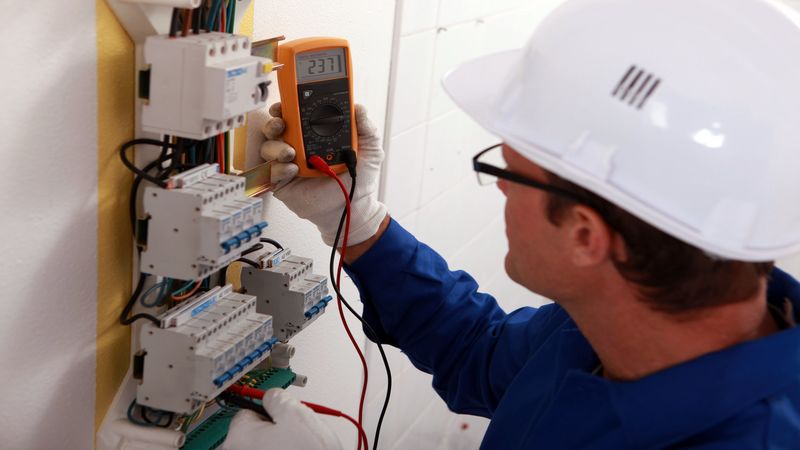
While a Honeywell humidity sensor is a very dependable sensor and often the type selected by manufacturers, they can and do need to be replaced over time. As an OEM part for many appliances, applications, and in different industrial and commercial uses knowing the signs you may need to replace the sensor is an important part of troubleshooting.
Poor Performance
In many cases, the first sign of a problem with a sensor is the incorrect cycling of the specific appliance or equipment. For instance, a humidifier or dehumidifier may remain on for prolonged periods of time, or it may fail to come on at all. In homes and businesses this often translates into the air feeling humid or excessively dry.
You may also find that adjusting the settings for the humidity control doesn’t result in the desired change in the appliance or equipment performance. Instead of immediately cycling on or off the system may not react despite the manual setting changes. Adding a new replacement OEM Honeywell humidity sensor should correct this problem, particularly if you are beginning to notice a slower but complete response when making adjustments.
Inaccurate Readings
In some situations, the Honeywell humidity sensor, or the brand currently in a device used for measuring atmospheric conditions, may simply read incorrectly. Typically this is easily checked by comparing the readings from the sensor with other accurate sensors such as those used to report through the National Weather Service.
When working with a capacitive humidity sensor, one issue that can develop over time is damage to the polymer layer. This happens naturally due to exposure to heat and cold or to dust and debris on this very thin layer. Depending on the atmospheric and environmental conditions the Honeywell humidity sensor is used the metallic electrodes on either side of the polymer layer can also age and degenerate over time, resulting in less accuracy and sensitivity.
Most of the small Honeywell humidity sensor units are not designed to be calibrated, and they do not provide a data printout. These are low-cost options that can easily be pulled out and replaced, which is actually much easier that having to go through the calibration process on the more costly options on the market.
When choosing a replacement Honeywell humidity sensor be sure to choose the sensor that is right for your system. If you aren’t sure of the specific product information, obtain the part number of the current sensor for accurate replacement parts.
Louis Shea
Louis Shea, an experienced wordsmith, channels his passion for knowledge into creating compelling articles and blogs across a broad spectrum of subjects. From the realms of technology and science to the nuances of lifestyle and culture, he navigates diverse topics with precision and enthusiasm, offering invaluable insights to his audience. With a background in Journalism and a wealth of professional experience, Louis approaches each piece with a steadfast commitment to accuracy and lucidity, ensuring his readers receive credible and comprehensive information. His writing style effortlessly blends professionalism with accessibility, adept at making intricate concepts accessible to readers from all walks of life. Whether he's dissecting the latest breakthroughs in AI or unraveling the mysteries of ancient civilizations, Louis possesses a unique ability to distill complex information into engaging content that both educates and entertains. Constantly attuned to emerging trends and advancements, Louis Shea remains a trusted authority in the digital sphere, enriching the online community with his insightful perspectives and captivating narratives.