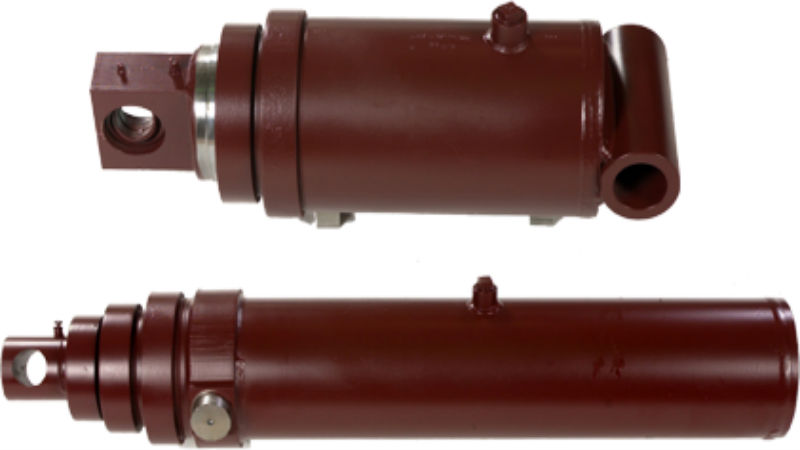
Telescoping Hydraulic cylinder are a very rugged and long lasting component of various tools and machines in use today. They are commonly seen in the manufacturing industry, oil and gas collection industry, construction, underwater or automotive salvage, ecological exploration, earth core sampling, agricultural, aerospace and military applications. Depending on your unique needs for custom hydraulic systems, the cylinders can range from a 6-inch stroke to more than 50 inches. Load ratings can also change drastically depending on the use, from 2,500 pounds to a much more impressive 30,000 and up.
Understanding the various measurements
Hydraulic cylinder have various measurements, pressure and payload ratings depending on what you might be using them for or what machine they will be assembled on. Stroke length depends on how far you need that cylinder to expand, and this can range from less than 6 inches for hand tools to more than 50 inches for larger machines. The payload or rated load is also very important for machines such as cranes, lift buckets or excavators. This can range from less than 2,500 pounds to more than 30,000 which are extremely important to know when working with hydraulics that will be lifting weight overhead. Shaft diameter can be anywhere from 1 inch to more than 6 inches and can depend on the amount of pressure needed. PSI can range from 400 or less, and reach as high as 4,000 or more for custom manufactured pieces.
How hydraulic cylinder benefit different industrial operations
Most, if not all, industrial manufacturing plants have some form of hydraulic machine, whether it’s a grinding tool or a crane system to lift large loads and move them around the factory. Hydraulic systems make high payload jobs much simpler with a small amount of workers present. Gone are the days of needing large amounts of people and ample time to move large items or loads from one area to another, now a single worker can do the same from the controls of a hydraulic lift unit. When considering the purchase of an additional or replacement hydraulic cylinder, be sure you know the measurements and weight rating that will be required for your unique application for the safety of your workers as well as the machine. An improperly sized replacement cylinder can not only cause a risk to your employees but can damage your machine as well.
Louis Shea
Louis Shea, an experienced wordsmith, channels his passion for knowledge into creating compelling articles and blogs across a broad spectrum of subjects. From the realms of technology and science to the nuances of lifestyle and culture, he navigates diverse topics with precision and enthusiasm, offering invaluable insights to his audience. With a background in Journalism and a wealth of professional experience, Louis approaches each piece with a steadfast commitment to accuracy and lucidity, ensuring his readers receive credible and comprehensive information. His writing style effortlessly blends professionalism with accessibility, adept at making intricate concepts accessible to readers from all walks of life. Whether he's dissecting the latest breakthroughs in AI or unraveling the mysteries of ancient civilizations, Louis possesses a unique ability to distill complex information into engaging content that both educates and entertains. Constantly attuned to emerging trends and advancements, Louis Shea remains a trusted authority in the digital sphere, enriching the online community with his insightful perspectives and captivating narratives.