Essentially:
-
Unusual noises, warning lights, fluid leaks, and handling changes are the clearest signals a vehicle needs professional attention before a small issue becomes a costly breakdown.
-
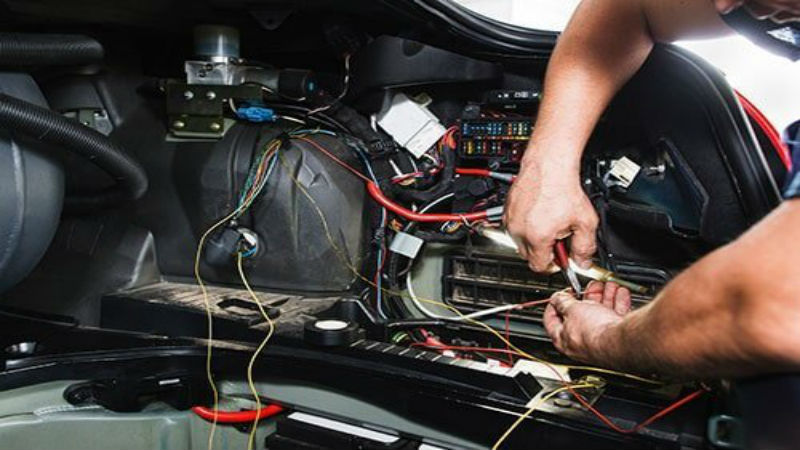
Diagnostics, brake service, engine repair, and suspension work are among the most common fixes tied to these warning signs.
-
Addressing symptoms early helps avoid roadside failures and more expensive repairs down the line.
A vehicle rarely breaks down without warning. Most mechanical failures show early symptoms such as strange sounds, dashboard alerts, or a change in how the car handles, and catching these signs early is often the difference between a routine fix and a major repair bill. Recognizing when to seek Auto Repair in Kenosha can help drivers avoid being stranded and keep repair costs manageable.
Dashboard warning lights exist specifically to flag problems before they escalate. According to the National Highway Traffic Safety Administration, routine vehicle inspections and prompt attention to warning indicators play a key role in preventing on-road mechanical failures. Ignoring an illuminated check engine light or ABS warning can allow a minor sensor issue to develop into a drivetrain or braking problem.
Common Warning Signs That Signal a Repair Is Needed
Certain symptoms consistently point to underlying mechanical trouble. Drivers should treat the following as signals to schedule an inspection rather than wait:
-
Persistent dashboard lights – especially check engine, ABS, or battery indicators that stay lit or flash intermittently.
-
Unusual noises – grinding, squealing, or clunking sounds when braking, turning, or accelerating.
-
Fluid leaks – puddles under the vehicle, particularly coolant, oil, or transmission fluid.
-
Handling changes – pulling to one side, vibration in the steering wheel, or a bouncy ride over bumps.
-
Reduced braking performance – a soft pedal, longer stopping distances, or a burning smell after braking.
Any one of these signs on its own may seem minor, but combined with delayed service, they often indicate a problem that will worsen with continued driving.
Engine, Brake, and Suspension Symptoms Explained
Different warning signs typically map to specific vehicle systems. Understanding this connection helps drivers describe the problem clearly and get a faster, more accurate diagnosis.
Engine-related signs include rough idling, stalling, loss of power, or a stubborn check engine light. These often trace back to sensor faults, fuel delivery issues, or more involved internal engine problems that require root-cause diagnosis rather than a quick fix.
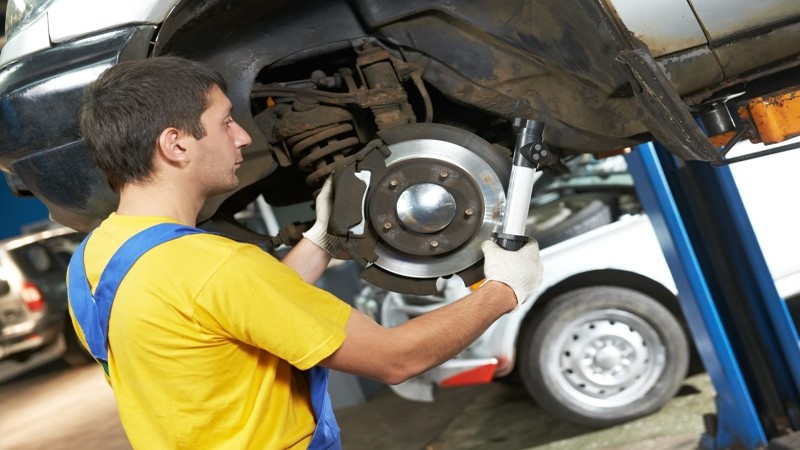
Brake-related signs include squealing, grinding, or a pedal that feels spongy or sinks toward the floor. Worn pads, low fluid, or failing components can all reduce stopping power, which directly affects road safety.
Suspension-related signs show up as excessive bouncing, uneven tire wear, or a vehicle that leans noticeably during turns. Worn shocks, struts, or steering components affect handling and can make a vehicle harder to control in sudden maneuvers.
Comparing Warning Signs by Vehicle System
|
Vehicle System |
Common Warning Sign |
Typical Underlying Issue |
|
Engine |
Check engine light, rough idle |
Sensor fault, fuel or ignition issue |
|
Brakes |
Grinding, soft pedal |
Worn pads, low fluid, ABS fault |
|
Suspension |
Bouncing, uneven tire wear |
Worn shocks, struts, or steering parts |
|
Cooling System |
Overheating, coolant puddle |
Radiator leak, failing hose or pump |
This table is a general guide rather than a diagnostic tool. A qualified technician using proper diagnostic equipment is the only reliable way to confirm the exact cause of a symptom.
Why Prompt Attention Matters
Delaying repair after a warning sign appears rarely saves money. Small issues, such as a worn brake pad or a failing sensor, tend to affect other components over time, turning an inexpensive fix into a larger repair. A vehicle that continues to be driven with a fluid leak, for example, risks engine or transmission damage that costs significantly more than addressing the leak early.
Scheduling an inspection as soon as a symptom appears also supports safer driving. Reduced braking power, compromised steering, or sudden stalling all carry real risks on the road, particularly in traffic or highway conditions.
Frequently Asked Questions
What is the most common warning sign that a car needs repair? Dashboard warning lights, particularly the check engine light, are among the most frequent early indicators of a developing mechanical issue.
How quickly should a vehicle be inspected after a warning sign appears? It is best to schedule an inspection as soon as a symptom is noticed, since many issues worsen the longer a vehicle continues to be driven.
Can unusual noises really indicate a serious problem? Yes. Grinding, squealing, or clunking sounds often point to worn brake components, suspension parts, or drivetrain issues that need professional evaluation.
Is it safe to keep driving with a fluid leak? Continuing to drive with a coolant, oil, or transmission fluid leak can lead to overheating or internal damage, so prompt inspection is recommended.
A Practical Next Step
Moreno Auto Service & Repair is a family-owned shop in Kenosha, Wisconsin, offering diagnostics, brake service, engine repair, and suspension work for a range of makes and models. Drivers noticing any of the warning signs described above can benefit from scheduling an inspection before a minor issue develops into a larger repair. For residents comparing options, Moreno Auto Service & Repair provides a starting point for reviewing services and shop details, and those searching for a dependable Car Repair Shop Kenosha can explore available service information to plan a timely visit.