Choosing the best reverse osmosis system or a traditional under-sink water filter system depends on household water quality goals and purification needs. In Gilbert, AZ, homeowners often compare these options to determine which water purification system for home use delivers better taste, safety, and reliability at the kitchen sink.
Both systems are designed for point-of-use filtration, meaning they treat water at a specific tap rather than throughout the entire home. Understanding how each option works helps homeowners make informed decisions based on performance rather than assumptions.
How Reverse Osmosis Systems Purify Water
Reverse osmosis systems use a multi-stage filtration process that includes a semipermeable membrane. This membrane removes dissolved solids, minerals, and certain contaminants that other filtration methods may not fully capture.
As a water purification system for home use, reverse osmosis is commonly installed under the kitchen sink to provide purified water for drinking and cooking. The process results in significantly reduced total dissolved solids, often producing water with a noticeably clean taste.
What Traditional Under-Sink Water Filter Systems Do Differently
Traditional under-sink water filter systems typically rely on activated carbon or similar media to reduce chlorine, odors, and sediment. These systems focus on improving taste and smell rather than removing dissolved minerals.
While they are effective for addressing common municipal water treatment byproducts, traditional filters may not reduce certain dissolved contaminants as thoroughly as reverse osmosis systems.
Which System Provides Better Water Purity?
The level of purification varies between systems. Reverse osmosis generally removes a broader range of contaminants due to its membrane-based design. This makes it a preferred option for households focused on maximum reduction of dissolved solids.
Traditional under sink water filter systems, on the other hand, offer adequate purification for improving taste and odor while maintaining natural mineral content. The best choice depends on the specific water concerns present in the home.
How Installation and Space Requirements Compare
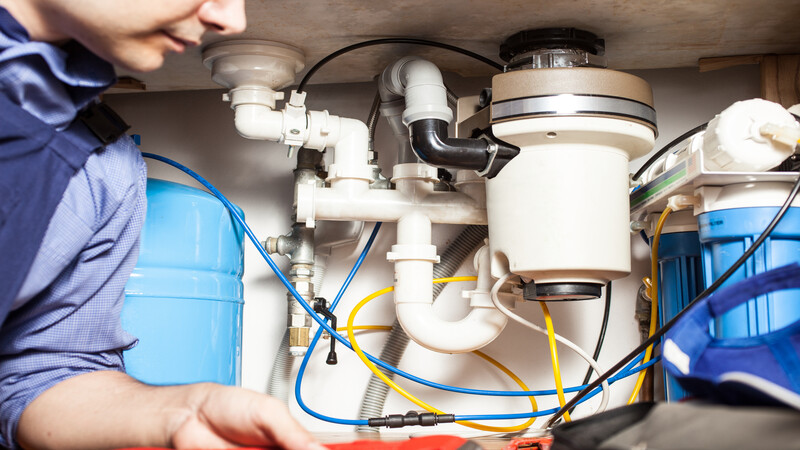
Both systems are designed for installation beneath the sink, but reverse osmosis systems typically require more components, including a storage tank and dedicated faucet. This requires sufficient cabinet space and proper plumbing configuration.
Traditional under sink water filter systems are often more compact and require fewer components. Their simpler design may be suitable for homes with limited under-sink space or lower filtration needs.
Why Water Usage Patterns Matter When Choosing a System
Households that rely heavily on filtered water for drinking and cooking may benefit from the consistent output provided by reverse osmosis systems. The storage tank ensures purified water is readily available.
For homes where filtration is primarily intended to improve taste and odor, traditional under sink water filter systems may meet daily needs without additional complexity. Matching the system to usage habits helps ensure consistent satisfaction.
How Maintenance Requirements Differ Between Systems
Reverse osmosis systems require regular membrane and filter replacement to maintain performance. If components are not serviced on schedule, system efficiency and water quality may decline.
Traditional under sink water filter systems generally require simpler maintenance, often involving periodic filter changes. While maintenance is less complex, performance depends on timely replacement to prevent reduced filtration effectiveness.
Why Professional Installation Supports Reliable Performance
Both types of systems connect directly to the potable water supply. Improper installation can affect water pressure, flow rate, or filtration accuracy.
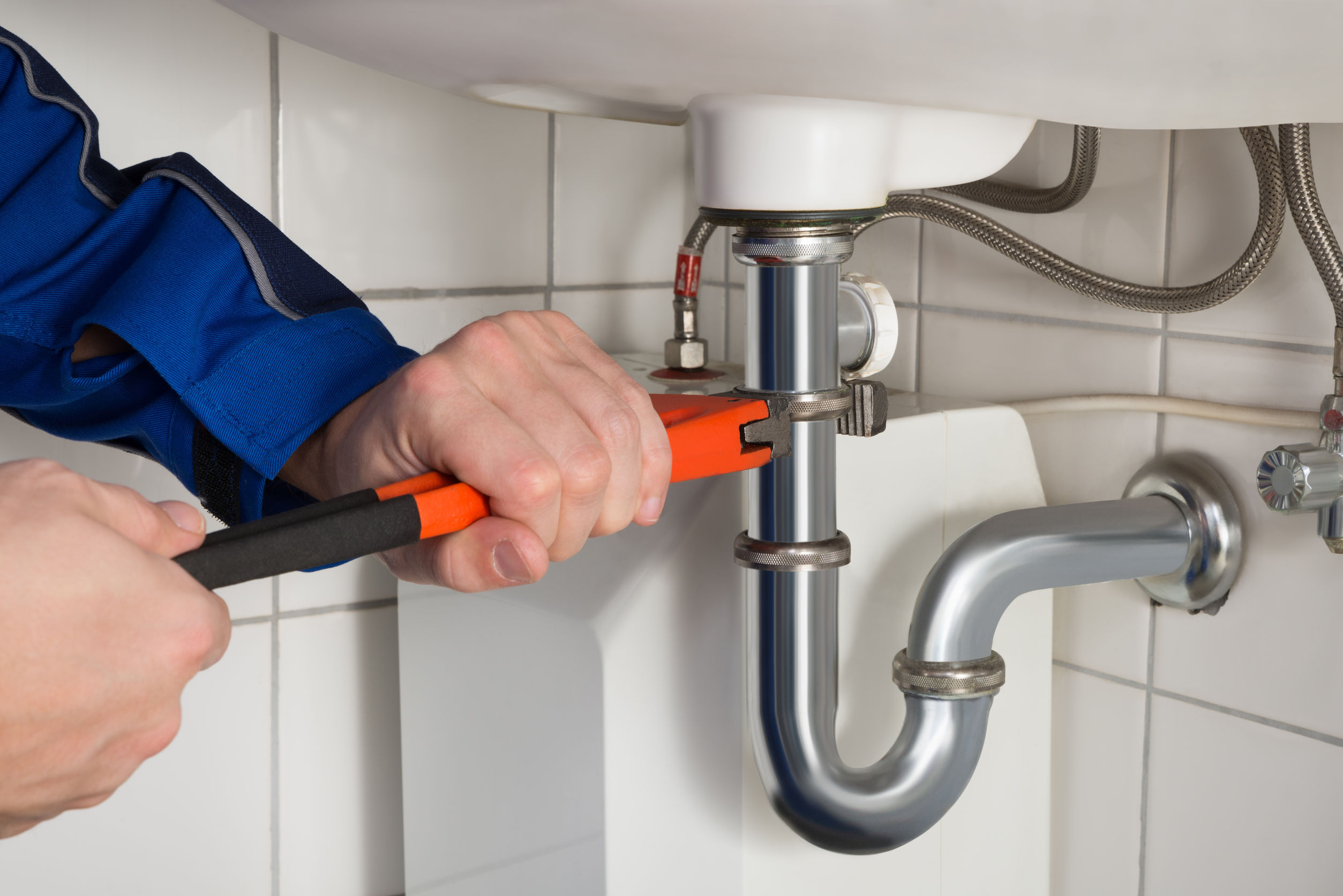
Many homeowners rely on a licensed plumbing service provider to ensure under-sink water filter systems are installed correctly, aligned with plumbing standards, and configured to avoid untreated water bypass.
Professional installation also ensures compatibility with existing plumbing layouts and minimizes the risk of leaks under the sink.
How Local Water Conditions Influence System Choice in Gilbert
Gilbert’s water supply may contain minerals and treatment residuals that influence filtration preferences. Homes experiencing high mineral content may prefer reverse osmosis for its dissolved solid reduction.
Conversely, households focused on reducing chlorine taste and odor may find traditional under sink water filter systems sufficient. Understanding local water characteristics helps align system choice with actual needs.
When to Reevaluate Your Under-Sink Filtration System
Changes in taste, flow rate, or water clarity may signal declining system performance. Regular evaluation ensures the filtration system continues to meet household expectations over time.
Reassessment is also advisable if water usage patterns change or new quality concerns arise.
Making an Informed Choice for Under-Sink Water Filtration
Comparing reverse osmosis systems with traditional under-sink water filter systems highlights important differences in purification depth, maintenance, and space requirements. The best reverse osmosis system or alternative option depends on water quality priorities and household usage.
For Gilbert homeowners, selecting the appropriate water purification system for home use supports consistent water quality while maintaining dependable residential plumbing performance.
Louis Shea
Louis Shea, an experienced wordsmith, channels his passion for knowledge into creating compelling articles and blogs across a broad spectrum of subjects. From the realms of technology and science to the nuances of lifestyle and culture, he navigates diverse topics with precision and enthusiasm, offering invaluable insights to his audience. With a background in Journalism and a wealth of professional experience, Louis approaches each piece with a steadfast commitment to accuracy and lucidity, ensuring his readers receive credible and comprehensive information. His writing style effortlessly blends professionalism with accessibility, adept at making intricate concepts accessible to readers from all walks of life. Whether he's dissecting the latest breakthroughs in AI or unraveling the mysteries of ancient civilizations, Louis possesses a unique ability to distill complex information into engaging content that both educates and entertains. Constantly attuned to emerging trends and advancements, Louis Shea remains a trusted authority in the digital sphere, enriching the online community with his insightful perspectives and captivating narratives.