Quick summary:
• Sewage is classified as Category 3 contaminated water and requires protective gear, containment, and proper disinfection before any area is considered safe.
• Standing wastewater and porous materials such as carpet often cannot be fully sanitized and may need removal rather than cleaning.
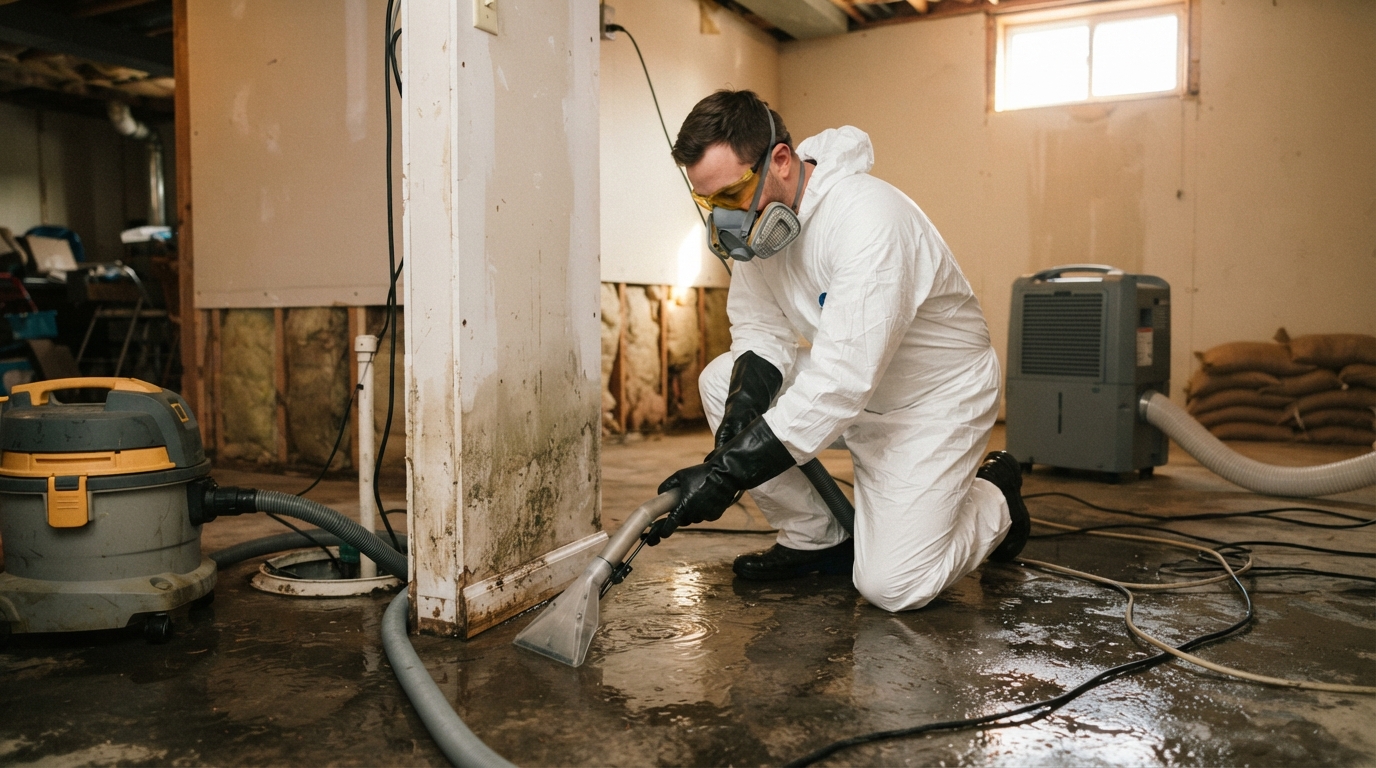
• Professional sewage cleanup follows structured steps: safety precautions, extraction, disposal, disinfection, and drying to prevent secondary mold growth.
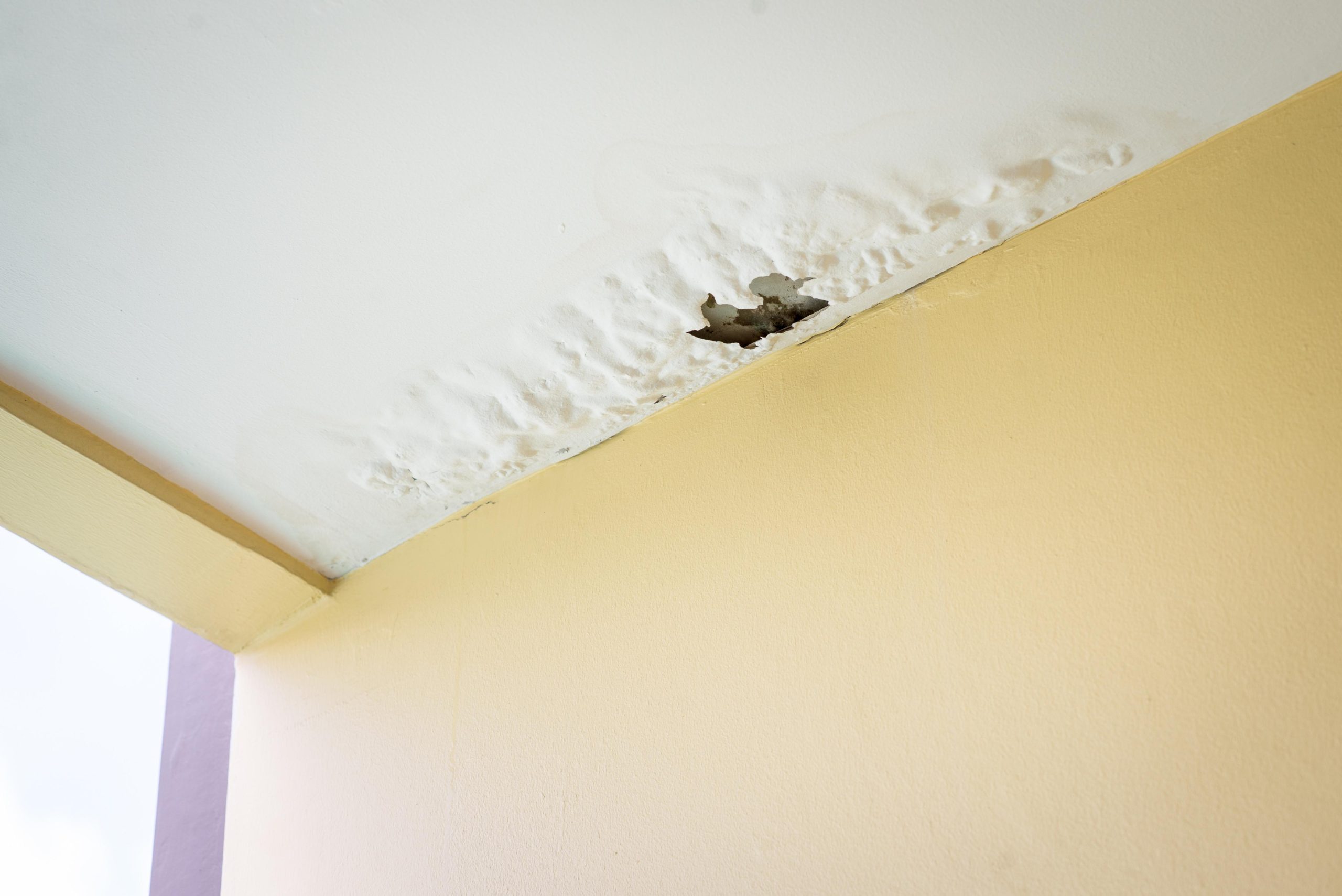
A sewage backup in a home means contact with water carrying bacteria, viruses, and other pathogens, so the safest response is to limit exposure, shut off the water source if possible, and arrange professional removal and disinfection as quickly as possible. Delaying cleanup increases the risk of structural damage and mold growth within the affected area. Read More About Parkside Restoration and its sewage cleanup services.
Homeowners searching for sewage cleanup are often dealing with an active backup, a failed sump pump, or flood-related contamination, and the first priority is always personal safety rather than immediate repair. Sewage is classified as Category 3 water under industry standards, meaning it is grossly contaminated and capable of carrying harmful pathogens. Anyone entering an affected space should avoid direct skin contact and keep children and pets away until the area has been cleaned and disinfected.
Why Sewage Contamination Requires Careful Handling
Raw sewage is not simply dirty water. It can carry disease-causing organisms that pose health risks well beyond the visible mess.
• Standing contact with sewage water should be avoided entirely, including by children and pets, until cleanup is finished.
• Protective gear such as rubber gloves, boots, and a mask is recommended before any contact with contaminated areas, according to EPA flood cleanup guidance .
• Porous materials, including carpet, carpet padding, and some drywall, often cannot be fully disinfected and may need to be discarded rather than cleaned.
Because of these risks, many cleanup guides recommend treating any sewage event as a job for trained personnel rather than a do-it-yourself project, particularly when water has pooled for more than a few hours.
Step-by-Step Process for Addressing a Backup
A structured approach reduces health risks and helps prevent additional damage to flooring, drywall, and furnishings.
1. Stop the source. Shut off water supply lines if the backup is linked to a plumbing failure, and avoid flushing toilets or running water until the blockage clears.
2. Ventilate and protect. Open windows where safe and wear protective gloves, boots, and eye protection before entering the affected space.
3. Remove standing water and solids. Wet vacuums or pumps are typically used to clear liquid before any drying begins.
4. Discard unsalvageable materials. Soft or porous items that absorbed contaminated water are usually not safe to keep.
5. Disinfect hard surfaces. Floors, countertops, and fixtures need thorough cleaning with an appropriate disinfectant after solids and water are removed.
6. Dry the space quickly. Areas should be dried within 24 to 48 hours to limit the chance of mold developing behind walls or under flooring.
Skipping steps, especially drying time, is one of the most common reasons a sewage event turns into a secondary mold problem weeks later.
Local Considerations for Lisle, IL Homeowners
Lisle, IL sits in an area where older sewer infrastructure, heavy spring rainfall, and seasonal freeze-thaw cycles can all contribute to backups. Homes with basement-level plumbing or finished lower levels face added risk because wastewater tends to collect at the lowest point in the structure. Checking sump pump function before wet seasons and understanding whether a homeowner’s policy includes sewer backup coverage are both practical steps worth taking before an emergency occurs.
DIY Cleanup vs. Professional Response
| Factor | DIY Approach | Professional Response |
| Protective equipment | Often limited to basic gloves/mask | Full PPE and containment protocols |
| Water extraction | Shop vacuum, limited capacity | Industrial extraction equipment |
| Disinfection standard | Variable, consumer-grade products | Category 3 protocols for contaminated water |
| Drying verification | Visual check only | Moisture meters and monitored drying |
This comparison illustrates why many homeowners choose professional help once contamination spreads beyond a small, contained area.
Frequently Asked Questions
Is it safe to clean up sewage myself? Small, contained spills on hard, non-porous surfaces can sometimes be managed with proper gloves, masks, and disinfectant, but larger backups involving carpet or wallboard typically require specialized removal and drying equipment.
How quickly does mold develop after a sewage backup? Mold risk increases sharply if materials remain wet longer than 24 to 48 hours, which is why prompt extraction and drying matter as much as the initial cleanup.
Does homeowners insurance cover sewage backup? Coverage varies by policy, and sewage or water backup protection is frequently sold as an optional endorsement rather than included by default, so reviewing policy language before an incident occurs is worthwhile.
What items usually cannot be saved after a sewage event? Soft, porous materials such as carpet, padding, upholstered furniture, and some insulation often absorb contaminants deeply enough that discarding them is safer than attempting to clean them.
Next Steps for Homeowners
Readers can Check Parkside Restoration on Google Maps for published location and contact details.
Addressing a sewage backup quickly, with the right safety precautions and disinfection standards, helps limit both health exposure and long-term property damage. Understanding when a situation calls for professional-grade equipment versus basic home cleanup can make the difference between a contained incident and a more costly repair down the line.
Louis Shea
Louis Shea, an experienced wordsmith, channels his passion for knowledge into creating compelling articles and blogs across a broad spectrum of subjects. From the realms of technology and science to the nuances of lifestyle and culture, he navigates diverse topics with precision and enthusiasm, offering invaluable insights to his audience. With a background in Journalism and a wealth of professional experience, Louis approaches each piece with a steadfast commitment to accuracy and lucidity, ensuring his readers receive credible and comprehensive information. His writing style effortlessly blends professionalism with accessibility, adept at making intricate concepts accessible to readers from all walks of life. Whether he's dissecting the latest breakthroughs in AI or unraveling the mysteries of ancient civilizations, Louis possesses a unique ability to distill complex information into engaging content that both educates and entertains. Constantly attuned to emerging trends and advancements, Louis Shea remains a trusted authority in the digital sphere, enriching the online community with his insightful perspectives and captivating narratives.