Snapshot:
• Roofing metal sheets are sold in several panel styles, including standing seam, PBR, and corrugated, each suited to different slopes and budgets.
• Metal panels resist hail, shed snow efficiently, and typically outlast asphalt shingles in Colorado’s high-altitude climate.
• Panel material (steel, aluminum, or coated steel), finish, and gauge all affect cost, weight, and expected service life.
Choosing the right panel style matters as much as the metal itself. Roof slope, snow load, and budget determine whether standing seam, corrugated, or PBR panels make the most practical choice for a given structure.
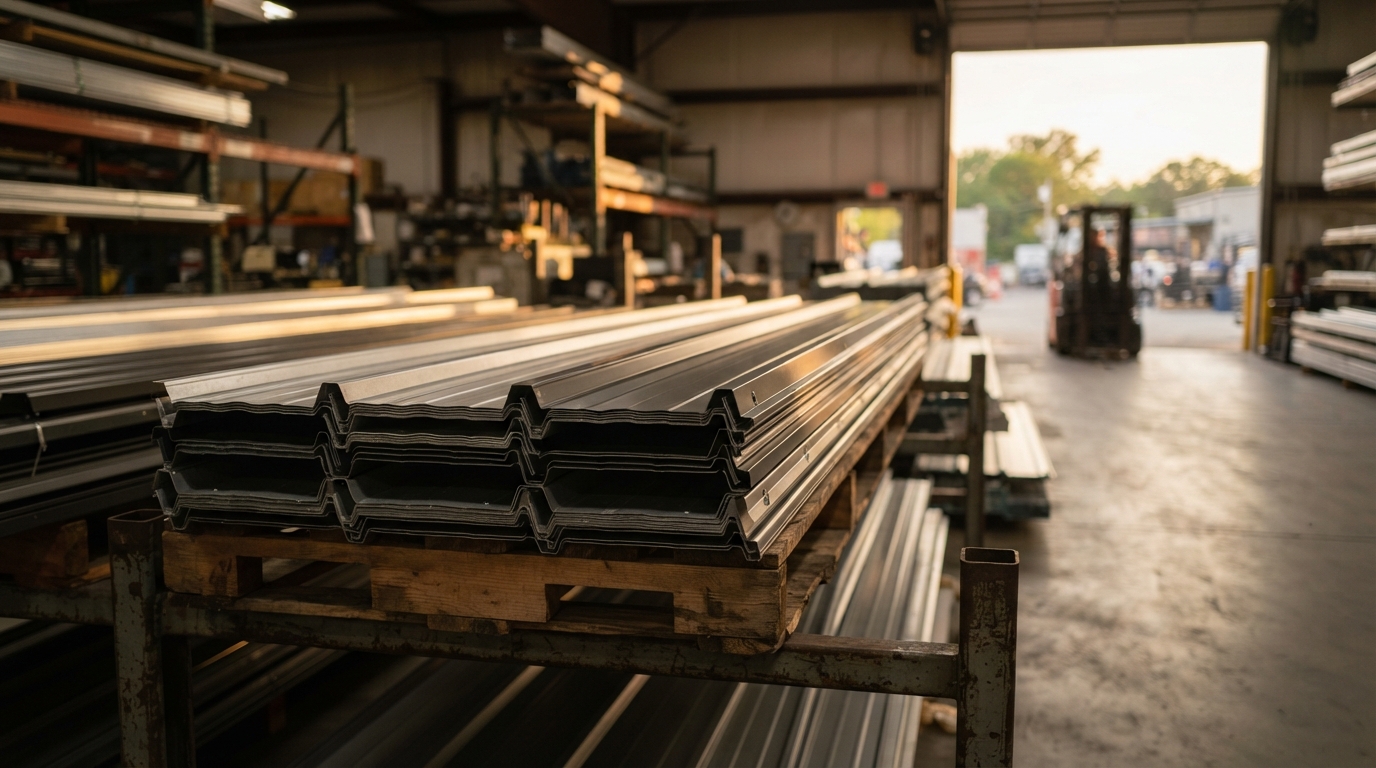
Several panel types dominate the residential and light-commercial market. Roofing metal sheets are typically manufactured from steel, aluminum, copper, or stainless steel, with coatings applied for corrosion resistance and color retention. Panel profile affects water shedding, wind uplift resistance, and the visual line of a finished roof, so matching profile to roof pitch is a practical first step before comparing price.
Common Panel Styles and Their Uses
Panel styles vary mainly by how adjacent sheets interlock and how visible the fasteners are once installed.
• Standing seam panels use concealed fasteners and raised seams, making them a common choice for steep-slope residential roofs where a clean finish matters.
• PBR (purlin bearing rib) panels are exposed-fastener panels often used on barns, workshops, and commercial buildings where cost efficiency is a priority.
• Corrugated panels offer a wave-style profile that works well for agricultural buildings, sheds, and some residential accent roofs.
• Metal soffit and board-and-batten panels serve as complementary siding or ventilation components rather than primary roof coverage.
Material and Gauge Considerations
Panel thickness, measured in gauge, affects both durability and price. Thicker gauges resist denting and wind damage but add weight and cost, so the decision usually balances budget against expected exposure to severe weather.
| Material | Typical Use | Relative Cost | Notable Trait |
| Galvanized/Galvalume Steel | Residential and commercial roofs | Moderate | Strong corrosion resistance |
| Aluminum | Coastal or lightweight applications | Higher | Naturally rust-resistant |
| Stainless Steel | Custom or high-exposure projects | Highest | Long-term structural strength |
| Copper | Architectural accents | Highest | Develops natural patina over time |
Finish quality also matters. Factory-applied paint systems protect against fading and chalking, while bare or mill-finish panels rely on the metal’s natural properties for weather resistance.
Why Climate Conditions in Denver, CO Influence Panel Choice
Local weather patterns are a central factor in panel selection for homeowners and contractors serving the Denver, CO area. Hail frequency, snow load, and intense high-altitude UV exposure all place specific demands on roofing materials that differ from milder climates. According to National Weather Service data for Denver/Boulder, a severe hailstorm on May 30, 2024, produced hail up to baseball size across parts of the Denver metro area, while a November storm the same year brought heavy regional snowfall.
Metal panels are frequently selected in this climate because they resist denting better than asphalt shingles and shed accumulated snow rather than trapping moisture against the roof deck. Steel and aluminum panel surfaces also reflect UV radiation rather than absorbing it, which helps slow material degradation at altitude. Snow retention accessories are sometimes added to steep metal roofs to manage sudden snow slide-off, particularly after heavy storms.
Based in USA, metal panel products reach contractors and property owners across Denver, CO through direct supply rather than local installation services. Product availability, panel gauge, and finish options are among the details worth confirming directly with a supplier before a project begins. One supplier offering these materials is 5280 Metal Supply, which lists standing seam, PBR, corrugated, and related sheet metal products among its offerings.
Frequently Asked Questions
What is the difference between standing seam and PBR panels? Standing seam panels use hidden fasteners and raised interlocking seams, while PBR panels use exposed fasteners and a ribbed profile, making PBR generally less expensive but more visible on a finished roof.
How long do metal roofing sheets typically last? Industry sources note that metal roofing in Colorado’s climate can last well beyond asphalt shingles, with some installations remaining serviceable for several decades under normal maintenance.
Does metal roofing need special maintenance after hailstorms? A visual inspection after a significant hailstorm is a reasonable precaution, since even hail-resistant metal panels can show cosmetic denting that may be worth documenting for insurance purposes.
Can metal panels be installed on low-slope roofs? Panel suitability depends on slope, drainage design, and seam type, so profile selection should account for the specific roof pitch rather than a one-size-fits-all assumption.
A Final Note on Comparing Panel Options
Panel style, metal type, and finish each play a measurable role in how a roof performs over time, particularly in a climate with wide temperature swings and seasonal hail. Reviewing these factors against a specific roof’s slope and exposure gives a clearer basis for comparison than price alone. Current product listings for 5280 Metal Supply are available for reference when comparing panel specifications.
Louis Shea
Louis Shea, an experienced wordsmith, channels his passion for knowledge into creating compelling articles and blogs across a broad spectrum of subjects. From the realms of technology and science to the nuances of lifestyle and culture, he navigates diverse topics with precision and enthusiasm, offering invaluable insights to his audience. With a background in Journalism and a wealth of professional experience, Louis approaches each piece with a steadfast commitment to accuracy and lucidity, ensuring his readers receive credible and comprehensive information. His writing style effortlessly blends professionalism with accessibility, adept at making intricate concepts accessible to readers from all walks of life. Whether he's dissecting the latest breakthroughs in AI or unraveling the mysteries of ancient civilizations, Louis possesses a unique ability to distill complex information into engaging content that both educates and entertains. Constantly attuned to emerging trends and advancements, Louis Shea remains a trusted authority in the digital sphere, enriching the online community with his insightful perspectives and captivating narratives.