Developing a new prototype for a medical device is a very complicated, demanding and exacting process. There are mistakes that are made very early in the process which lead to problems during prototype manufacturing and then into testing and validation.
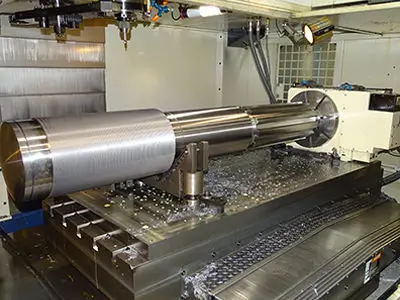
For new companies in the medical device field, partnering with other companies to provide aspects of the prototype development will be essential. This can include companies that provide electronic components, circuitry and precision machining for all metal, plastic or composite materials that make up the structure of the device.
By working with partners that have experience in medical device prototyping many of the most common mistakes can be avoided. This will be essential in lowering the cost of the development of the prototype, meeting development timelines and getting final approval of the device for sale.
Not Understanding Requirements
One of the most challenging aspects of medical device prototyping is understanding the specific regulatory guidelines for a given device. While there are standards in place for all types of medical devices, there are also some devices which have their own specific standards.
Failing to know which regulations to follow will be a serious issue in the design and development of all components. Spending the time in completing full research and ensuring the design is in full compliance with standards and regulations in the early stage will be critical.
Not Working With Contracted Companies
Each of the outside companies that are being brought in as contract manufacturing companies on the project should be involved early in the design process. This will not only help with ensuring regulatory issues are met, but it will also help in working through meshing or coordinating all the different systems.
Not having these companies involved in medical device prototyping from the early design stages is going to cause delays and increase the cost of developing the prototype. With having information on how the subsystems and components operate or may not operate with the overall design allows for a better big picture overview of the device.
Not Listening
When working with the outside companies listen to insight, experience and expertise these engineers add the project. They are often able to suggest an alternative for materials, components or even design elements that can make the device more durable, smaller, and lighter or to reduce complicated systems to simple, less complex designs.
It can be extremely frustrating to work through the maze of regulations and steps in the development of a prototype for a medical device. Getting support and assistance from contract manufacturing companies can be a great asset in moving the prototype from design to development in a reasonable time.
Louis Shea
Louis Shea, an experienced wordsmith, channels his passion for knowledge into creating compelling articles and blogs across a broad spectrum of subjects. From the realms of technology and science to the nuances of lifestyle and culture, he navigates diverse topics with precision and enthusiasm, offering invaluable insights to his audience. With a background in Journalism and a wealth of professional experience, Louis approaches each piece with a steadfast commitment to accuracy and lucidity, ensuring his readers receive credible and comprehensive information. His writing style effortlessly blends professionalism with accessibility, adept at making intricate concepts accessible to readers from all walks of life. Whether he's dissecting the latest breakthroughs in AI or unraveling the mysteries of ancient civilizations, Louis possesses a unique ability to distill complex information into engaging content that both educates and entertains. Constantly attuned to emerging trends and advancements, Louis Shea remains a trusted authority in the digital sphere, enriching the online community with his insightful perspectives and captivating narratives.