Athletic performance depends on more than strength and endurance alone. Coordination, balance, flexibility, and reaction time all contribute to how efficiently the body responds during physical activity. One area often overlooked in sports performance is neck mobility. Restricted movement in the cervical spine may influence posture, visual tracking, muscular tension, and overall body mechanics during athletic movement.
Athletes participating in sports that require quick reactions and rapid directional changes place significant demands on the neck and upper spine. Over time, repetitive strain, poor posture, collisions, or limited mobility may contribute to tension and movement restrictions that affect athletic performance and comfort.
Conservative approaches such as chiropractic care and neck adjustment techniques are commonly explored by active individuals looking to support mobility, spinal alignment, and functional movement patterns.
Why Neck Mobility Matters in Sports
The cervical spine supports head movement, posture, visual orientation, and communication between the brain and body through the nervous system. Proper neck mobility allows athletes to rotate, extend, and position the head efficiently during movement.
Sports involving rapid reaction times often rely heavily on cervical mobility, including:
-
Tennis
-
Football
-
Soccer
-
Baseball
-
Basketball
-
Martial arts
-
Hockey
-
Golf
Restricted neck movement may interfere with an athlete’s ability to track movement, maintain balance, and respond quickly during competition.
The Connection Between Neck Movement and Coordination
Coordination involves the body’s ability to process movement efficiently between muscles, joints, and sensory systems. The cervical spine plays a role in helping the body maintain spatial awareness and postural stability during activity.
When neck mobility becomes limited, surrounding muscles may compensate excessively to support movement. These compensation patterns may contribute to:
-
Delayed movement response
-
Reduced balance
-
Postural strain
-
Shoulder tightness
-
Upper back tension
-
Reduced rotational movement
-
Difficulty tracking movement during activity
Athletes with restricted cervical motion may notice stiffness or discomfort during activities that require rapid head movement or visual tracking.
Common Causes of Reduced Neck Mobility in Athletes
Several factors may contribute to cervical spine restrictions in physically active individuals. Repetitive strain, poor posture, and previous injuries may gradually affect movement quality and muscular balance.
Common contributors include:
-
Contact sports impacts
-
Repetitive overhead movements
-
Poor training posture
-
Muscle tightness
-
Long periods of screen use
-
Previous whiplash injuries
-
Shoulder instability
-
Limited thoracic mobility
Even outside athletic participation, sedentary work habits and forward head posture may contribute to ongoing tension throughout the neck and upper back.
How Posture Affects Cervical Spine Function
Posture influences how pressure is distributed throughout the spine. Athletes and active adults who spend extended time looking down at phones or computers may develop forward head posture, increasing strain on the cervical spine.
Forward head positioning may contribute to:
-
Neck stiffness
-
Muscle fatigue
-
Reduced flexibility
-
Shoulder tension
-
Altered spinal mechanics
Over time, poor posture may affect movement efficiency during sports and increase stress on supporting muscles and joints.
Maintaining healthy spinal alignment may help support mobility and reduce repetitive physical strain during athletic activity.
Why Rotational Sports Depend on Cervical Mobility
Sports requiring rotational movement place additional demands on the cervical spine. Golf swings, tennis serves, and baseball batting mechanics all involve coordinated rotation through the neck, shoulders, thoracic spine, and hips.
If one area lacks mobility, nearby joints and muscles may compensate excessively. Limited neck rotation may alter body mechanics and increase physical stress during repetitive sports motions.
Athletes with restricted cervical movement may experience:
-
Difficulty rotating fully
-
Reduced flexibility
-
Muscular tightness
-
Fatigue during repetitive activity
-
Increased strain in the shoulders or upper back
Sports chiropractors often evaluate movement patterns and joint mobility to better understand how spinal restrictions may influence athletic mechanics.
How Chiropractic Care May Support Neck Mobility
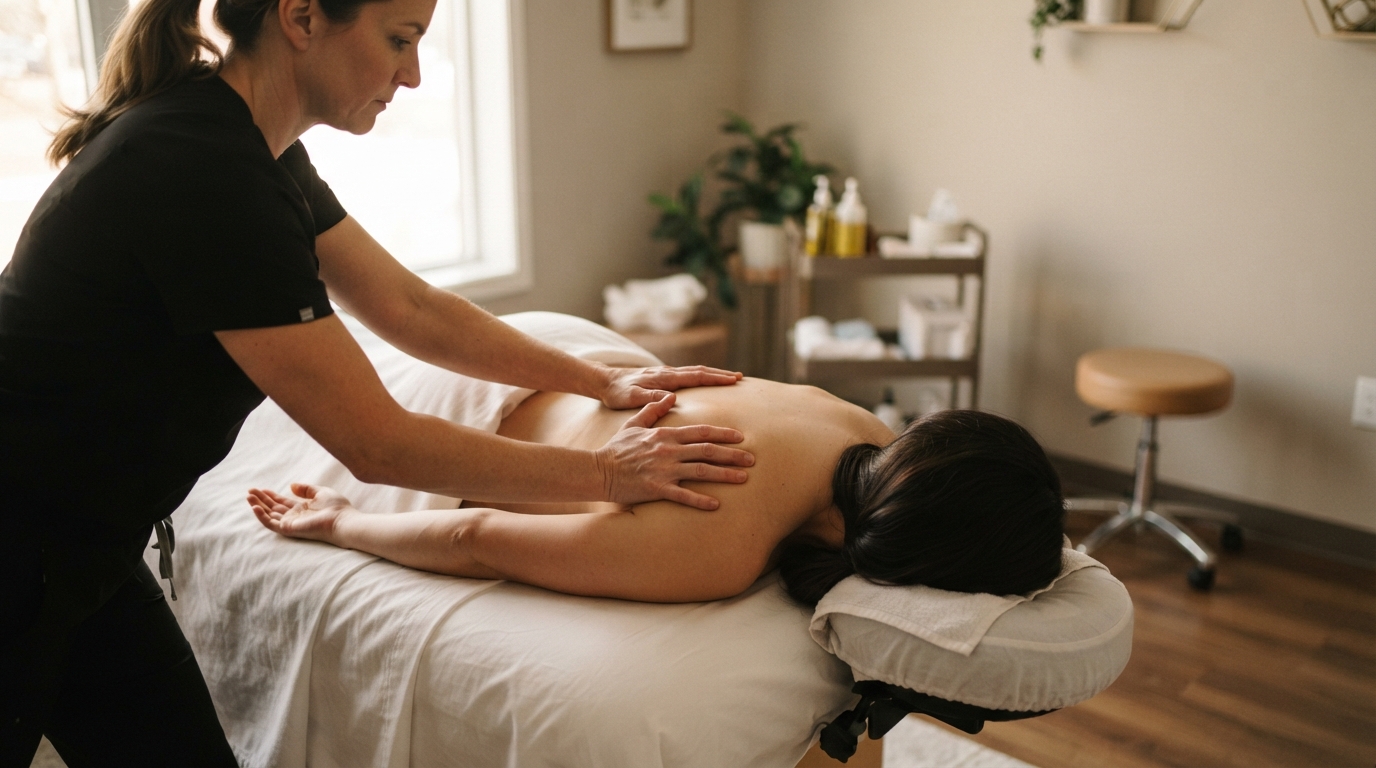
Chiropractic care focuses on spinal alignment, joint function, and movement efficiency. A chiropractor may assess posture, cervical mobility, muscular balance, and spinal mechanics to identify movement restrictions contributing to discomfort or reduced flexibility.
Neck adjustment techniques are commonly used to support cervical joint mobility and improve movement patterns throughout the spine.
Athletes may incorporate chiropractic care into broader recovery and mobility programs that include:
-
Stretching routines
-
Mobility exercises
-
Postural correction
-
Strength and stability training
-
Soft tissue therapies
Conservative chiropractic approaches are often explored by active individuals seeking non-invasive support for spinal mobility and movement function.
The Importance of Recovery for Neck and Upper Spine Health
Recovery plays an important role in maintaining flexibility and reducing repetitive stress on the cervical spine. Without adequate recovery, muscular tension and spinal stiffness may gradually increase.
Athletes involved in repetitive training or contact sports may benefit from recovery-focused habits such as:
-
Stretching regularly
-
Improving posture awareness
-
Taking movement breaks
-
Performing mobility exercises
-
Managing repetitive strain
-
Addressing muscular tightness early
Consistent movement and recovery strategies may help support healthier biomechanics during sports and physical activity.
Individuals seeking conservative care options for neck discomfort and mobility restrictions often explore care from a neck pain chiropractor near Lone Tree, CO to better understand how cervical spine function may affect daily movement and athletic performance.
Improve Cervical Mobility Before Repetitive Strain Affects Athletic Performance
Neck stiffness, postural strain, and reduced cervical mobility may gradually influence coordination, reaction time, and movement efficiency during athletic activity. Conservative chiropractic care and neck adjustment techniques may help support spinal mobility, posture, and functional movement patterns associated with sports performance. Understanding how cervical spine function affects movement may help active individuals better support long-term mobility and physical wellness goals.
Louis Shea
Louis Shea, an experienced wordsmith, channels his passion for knowledge into creating compelling articles and blogs across a broad spectrum of subjects. From the realms of technology and science to the nuances of lifestyle and culture, he navigates diverse topics with precision and enthusiasm, offering invaluable insights to his audience. With a background in Journalism and a wealth of professional experience, Louis approaches each piece with a steadfast commitment to accuracy and lucidity, ensuring his readers receive credible and comprehensive information. His writing style effortlessly blends professionalism with accessibility, adept at making intricate concepts accessible to readers from all walks of life. Whether he's dissecting the latest breakthroughs in AI or unraveling the mysteries of ancient civilizations, Louis possesses a unique ability to distill complex information into engaging content that both educates and entertains. Constantly attuned to emerging trends and advancements, Louis Shea remains a trusted authority in the digital sphere, enriching the online community with his insightful perspectives and captivating narratives.