In brief:
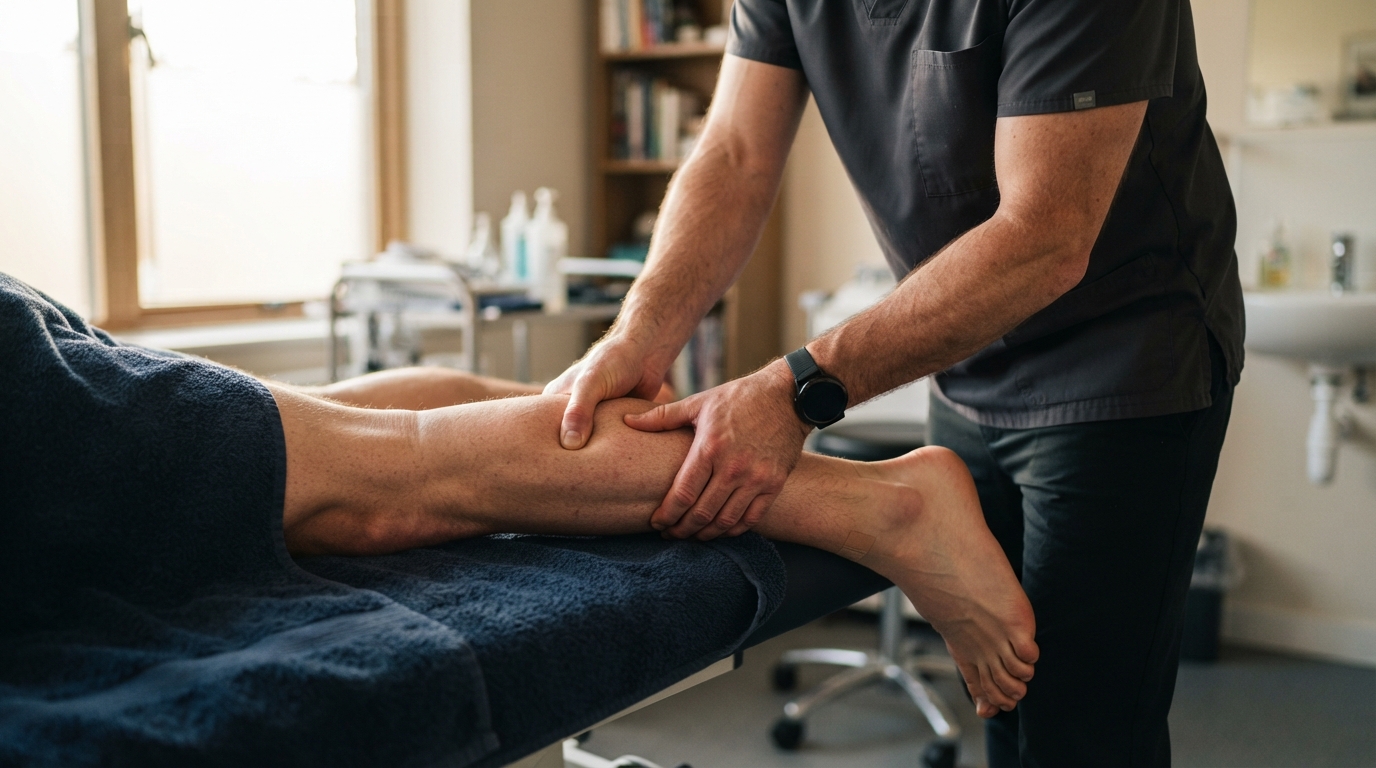
• A qualified sports massage therapist uses hands-on techniques to reduce muscle tension, improve circulation, and support faster recovery after training or competition.
• Look for providers with clinical credentials, a clear treatment process, and experience working with active patients, not just general relaxation massage.
• Manual therapy delivered alongside physical therapy care can address both soft tissue restrictions and the underlying movement patterns that cause repeat injuries.
Finding the right sports massage therapist means looking past marketing claims and checking for real clinical training, a structured assessment process, and a track record of working with active patients. The therapist you choose should treat muscle recovery as part of a broader movement and injury-prevention strategy, not an isolated spa service.
A sports massage therapist trained in manual therapy techniques can do more than loosen tight muscles. At Learn More, soft tissue work is delivered as part of a manual therapy approach that includes joint mobilization, nerve mobilization, and stretching, overseen by licensed clinicians rather than massage-only staff.
What Separates Clinical Sports Massage From General Massage
Not every massage provider has the training to address sports-related soft tissue problems safely. Clinical sports massage is typically integrated into a larger evaluation of movement, strength, and injury history.
Key differences to look for:
• Credentials : Licensed physical therapists or athletic trainers bring anatomical knowledge beyond basic massage certification.
• Assessment first : A proper evaluation identifies which muscles, joints, or nerves need attention before any hands-on work begins.
• Integration with rehab : Soft tissue techniques are paired with mobility drills or strengthening rather than offered as a stand-alone service.
• Documentation : Clinical settings track progress over multiple visits instead of treating each session in isolation.
A review of research on massage and athletic recovery found that the American Massage Therapy Association lists relief of muscle tension and stiffness, faster healing of strained muscles and sprained ligaments, reduced muscle pain and swelling, greater joint flexibility, and enhanced athletic performance among the benefits of massage. These outcomes are most reliable when delivered by a trained provider who understands the underlying tissue mechanics, not simply someone trained in relaxation techniques.
How Manual Therapy Techniques Support Recovery
Manual therapy covers a range of hands-on interventions beyond simple massage strokes. At Revive, this includes joint and spinal mobilization, joint and spinal manipulation, soft tissue manipulation and massage, nerve mobilization, and dry needling.
This matters because muscle tightness is often a symptom, not the root cause. A provider who only addresses the tight tissue without evaluating joint mechanics or nerve function may offer temporary relief without resolving the pattern that caused the tightness.
According to guidance compiled by the National Institutes of Health, massage studies measure a range of outcomes including joint range of motion, isokinetic and isometric peak strength, and blood lactate and creatine kinase levels, reflecting how varied the physiological effects of massage can be depending on technique and timing.
Comparing Treatment Approaches
|
Approach |
Primary Focus |
Best Suited For |
|
General relaxation massage |
Stress reduction, light circulation |
Occasional soreness, non-athletes |
|
Deep tissue massage |
Chronic tension, adhesions |
Recurring tightness, long-term muscle health |
|
Clinical manual therapy |
Joint, nerve, and soft tissue integration |
Active injury recovery, performance training |
|
Sports performance programs |
Equipment-assisted training plus recovery |
Athletes returning to competition |
Each approach has a place depending on the athlete’s stage of training or recovery. Someone managing a nagging overuse issue typically needs a different level of care than someone seeking routine post-workout relief.
Evaluating Providers in Your Area
Before booking, ask a few direct questions:
1. What is your clinical background, and do you hold a physical therapy or athletic training credential?
2. How do you decide which techniques to use for a specific complaint?
3. Will treatment be coordinated with any other providers I am seeing?
4. What happens during a typical first visit?
Providers who answer these clearly, and who describe an evaluation process rather than a fixed massage routine, are more likely to deliver care matched to your actual needs.
Frequently Asked Questions
How is sports massage different from a regular massage? Sports massage targets muscles stressed by training or competition and is often combined with stretching or mobilization, rather than focusing purely on relaxation.
Do I need a referral to see a manual therapy provider? Requirements vary by clinic and insurance plan, so it is worth confirming directly with the provider before scheduling.
Can manual therapy help prevent future injuries, not just treat current pain? Addressing joint mechanics and soft tissue restrictions together can reduce the muscle imbalances that often lead to repeat strains, though results depend on the individual case.
How often should an active person schedule sessions? Frequency depends on training load, injury history, and recovery goals, which a qualified provider can help determine during an initial evaluation.
Choosing a provider for soft tissue and recovery care is a practical decision that affects how quickly you bounce back from training and how well you avoid repeat injuries. Looking for clinical credentials, a clear evaluation process, and treatment that connects massage to broader movement goals will serve most active individuals better than selecting based on convenience alone. Learn More about how manual therapy and sports performance services are structured to support recovery from the ground up.
Louis Shea
Louis Shea, an experienced wordsmith, channels his passion for knowledge into creating compelling articles and blogs across a broad spectrum of subjects. From the realms of technology and science to the nuances of lifestyle and culture, he navigates diverse topics with precision and enthusiasm, offering invaluable insights to his audience. With a background in Journalism and a wealth of professional experience, Louis approaches each piece with a steadfast commitment to accuracy and lucidity, ensuring his readers receive credible and comprehensive information. His writing style effortlessly blends professionalism with accessibility, adept at making intricate concepts accessible to readers from all walks of life. Whether he's dissecting the latest breakthroughs in AI or unraveling the mysteries of ancient civilizations, Louis possesses a unique ability to distill complex information into engaging content that both educates and entertains. Constantly attuned to emerging trends and advancements, Louis Shea remains a trusted authority in the digital sphere, enriching the online community with his insightful perspectives and captivating narratives.