Key takeaway:
• Commercial equipment financing lets a business obtain machinery, vehicles, or technology while spreading the cost over fixed monthly payments.
• Approval typically depends on time in business, revenue, and the value of the equipment itself, which often serves as collateral.
• Terms, rates, and down payment requirements vary widely depending on equipment type, lender, and business financial history.
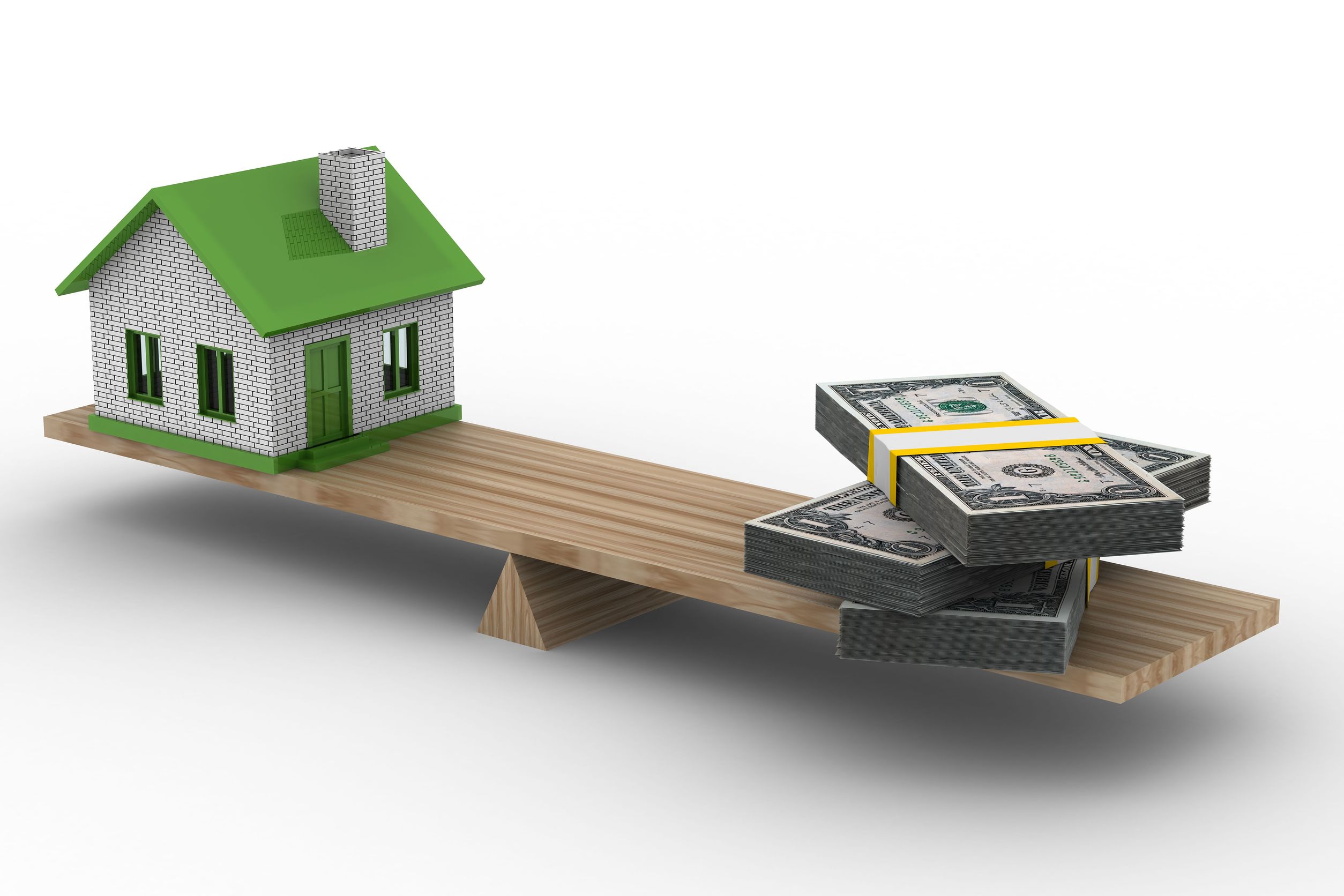
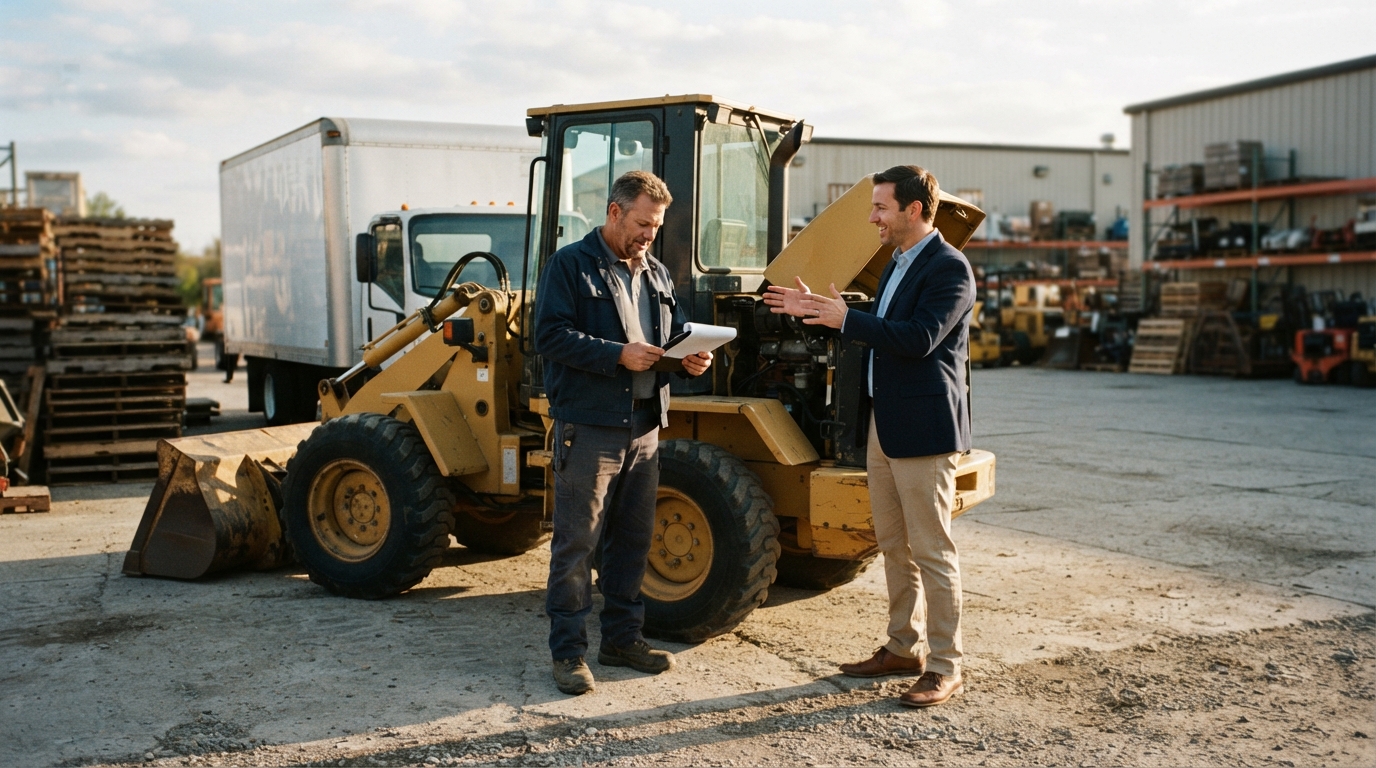
Businesses that need machinery, vehicles, or specialized tools but cannot pay the full purchase price upfront often turn to structured financing instead. Commercial equipment financing allows a company to acquire the equipment it needs while repaying the cost over time through scheduled payments. This approach helps preserve working capital for payroll, inventory, or other operating expenses rather than tying up cash in a single large purchase.
Equipment financing differs from a standard business loan because the equipment itself usually secures the debt. That structure can make approval more accessible for companies that might not qualify for unsecured credit, since the lender holds a tangible asset as collateral until the balance is repaid.
How the Financing Process Works
Most equipment financing arrangements follow a similar sequence from application to funding.
• The business submits financial documents, including revenue history, time in operation, and details about the equipment being purchased.
• The lender reviews creditworthiness and the equipment’s resale value to set loan terms.
• Once approved, funds are disbursed directly to the equipment seller or reimbursed to the business.
• The borrower repays the loan in fixed installments, typically monthly, over a set term.
Because the equipment backs the loan, lenders may extend financing to businesses with limited collateral elsewhere. Terms generally align with the expected useful life of the asset, so a long-lasting piece of machinery may carry a longer repayment schedule than a vehicle or computer system.
Financing Versus Leasing: Key Differences
Business owners evaluating how to acquire equipment often compare financing against leasing. Both methods spread out cost, but ownership and flexibility differ.
| Feature | Equipment Financing | Equipment Leasing |
| Ownership | Business owns the asset after final payment | Lender or leasing company retains ownership |
| Collateral | Equipment secures the loan | Lease agreement, not outright ownership |
| End of Term | Business keeps the equipment | Business returns, renews, or buys out the lease |
| Best For | Long-term use, assets that retain value | Equipment that becomes outdated quickly |
Financing tends to suit businesses planning to use equipment for many years, while leasing can make more sense for technology or machinery that needs frequent upgrades. The decision often comes down to how long the asset will remain useful and whether ownership matters for tax or resale purposes.
Factors That Influence Approval and Terms
Lenders weigh several variables before setting rates and repayment schedules. Understanding these factors helps business owners prepare stronger applications.
1. Time in business – Lenders generally prefer applicants with an established operating history.
2. Revenue and cash flow – Consistent income signals the ability to manage fixed payments.
3. Equipment type and age – Newer equipment with resale value tends to qualify for better terms than used or specialized machinery.
4. Down payment – A larger upfront contribution can reduce monthly payments and total interest paid.
The U.S. Small Business Administration outlines similar considerations for business loan applicants, noting that lenders typically review credit history, cash flow, and collateral when evaluating financing requests. These same factors apply broadly across equipment-specific lending.
Why Equipment Financing Matters for Operations
Access to functioning equipment often determines whether a business can take on new work or keep pace with demand. Financing spreads a large expense into predictable payments, which can make budgeting more manageable than a single lump-sum purchase. For companies operating across the USA, this structure supports growth without requiring a full cash outlay for every new asset. It also allows businesses to replace aging equipment before breakdowns disrupt operations, since financing can be arranged ahead of an actual failure rather than only in response to one.
Frequently Asked Questions
What types of equipment can be financed? Financing commonly covers vehicles, manufacturing machinery, construction equipment, medical devices, and office technology, depending on the lender’s offerings.
How long are typical repayment terms? Terms usually range from two to seven years, often matching the expected useful life of the equipment being financed.
Is a down payment always required? Many lenders request a down payment, though the required amount varies based on equipment type, business credit profile, and loan structure.
Can a business with limited credit history qualify? Approval is possible, though lenders may require a larger down payment or additional documentation to offset limited credit history.
Business owners researching financing options can review current listings for Dynamic Funding, Inc. to see verified service details on a mapping platform. Current contact and service information for Dynamic Funding, Inc. is published for businesses operating in the USA.
Louis Shea
Louis Shea, an experienced wordsmith, channels his passion for knowledge into creating compelling articles and blogs across a broad spectrum of subjects. From the realms of technology and science to the nuances of lifestyle and culture, he navigates diverse topics with precision and enthusiasm, offering invaluable insights to his audience. With a background in Journalism and a wealth of professional experience, Louis approaches each piece with a steadfast commitment to accuracy and lucidity, ensuring his readers receive credible and comprehensive information. His writing style effortlessly blends professionalism with accessibility, adept at making intricate concepts accessible to readers from all walks of life. Whether he's dissecting the latest breakthroughs in AI or unraveling the mysteries of ancient civilizations, Louis possesses a unique ability to distill complex information into engaging content that both educates and entertains. Constantly attuned to emerging trends and advancements, Louis Shea remains a trusted authority in the digital sphere, enriching the online community with his insightful perspectives and captivating narratives.