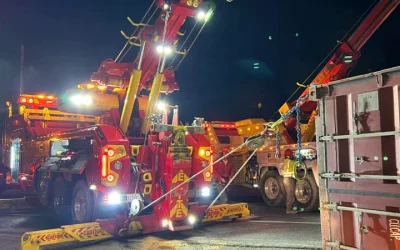
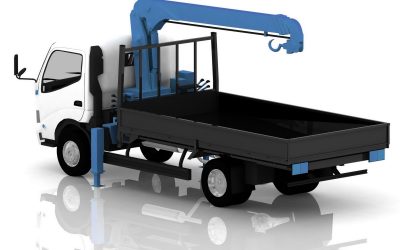
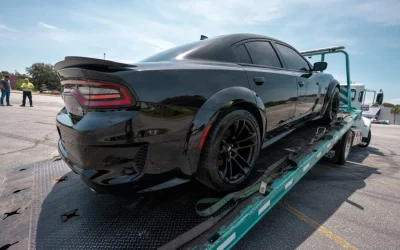
Medium duty vehicles are built to handle heavier workloads than standard passenger vehicles. Delivery vans, utility trucks, box trucks, service vehicles, and small commercial fleet trucks often carry tools, cargo, equipment, or supplies throughout the day. Because of their size and weight, towing these vehicles requires careful planning and proper weight distribution to avoid damage during transport.
This is why professional medium duty towing plays an important role in safe vehicle recovery. A properly managed towing service helps stabilize heavier vehicles during loading and transport while reducing stress on critical components such as the suspension, drivetrain, tires, and frame. For businesses relying on commercial vehicles, safe commercial towing procedures help minimize downtime and protect valuable equipment.
Why Medium Duty Vehicles Are Different From Passenger Cars
Unlike smaller passenger vehicles, medium duty vehicles often have uneven weight distribution due to cargo loads, storage compartments, equipment racks, or towing accessories. Some vehicles carry most of their weight toward the rear, while others place additional strain on the front axle because of mounted equipment.
Common Medium Duty Vehicles Include:
-
Box trucks
-
Utility trucks
-
Delivery vans
-
Work vans
-
Flatbed service vehicles
-
Small commercial fleet trucks
Because these vehicles typically weigh between 10,000 and 26,000 pounds, improper towing methods can create handling problems or increase the risk of vehicle damage during transport.
Why Proper Weight Distribution Matters During Towing
Weight distribution affects how a vehicle behaves during loading, transport, and unloading. If the weight is not balanced correctly, several problems can occur.
Improper Weight Distribution Can Lead To:
-
Suspension strain
-
Tire damage
-
Axle stress
-
Vehicle instability during transport
-
Increased sway while towing
-
Uneven pressure on the tow truck
Professional medium duty towing companies evaluate vehicle weight carefully before beginning the recovery process. This helps ensure the vehicle remains stable and secure during transport.
How Commercial Towing Companies Manage Vehicle Balance
Professional commercial towing operators use several techniques to maintain proper vehicle balance throughout the towing process.
Vehicle Assessment Before Loading
Before towing begins, operators typically evaluate:
-
Vehicle size and weight
-
Cargo placement
-
Existing vehicle damage
-
Wheel positioning
-
Drivetrain configuration
This allows the towing operator to determine the safest loading method and the proper towing equipment required for the situation.
Controlled Loading Procedures
Medium duty vehicles are often loaded slowly using hydraulic systems, stabilizers, and controlled winching procedures. The vehicle must remain centered during loading to prevent shifting or instability once transport begins.
For example, a heavily loaded utility van with tools stored on one side may require additional stabilization during loading.
Why Cargo Weight Changes Towing Conditions
One challenge with medium duty vehicles is that cargo loads can vary significantly from one vehicle to another. Two delivery vans may appear similar but carry very different weights depending on:
-
Inventory levels
-
Equipment storage
-
Fuel loads
-
Interior shelving systems
A vehicle carrying heavy cargo may require different towing adjustments compared to an unloaded vehicle.
This is why professional towing service providers avoid using one-size-fits-all towing methods for commercial vehicles.
Why Improper Towing Can Cause Expensive Damage
Incorrect towing procedures can create costly mechanical issues for medium duty vehicles. If the vehicle is not balanced correctly during towing, stress may be placed on:
-
The drivetrain
-
Steering components
-
Suspension systems
-
Tires and wheel assemblies
For businesses, these additional repairs can increase downtime and interrupt operations even further.
Professional medium duty towing helps reduce these risks by using towing procedures designed specifically for heavier commercial vehicles.
How Medium Duty Towing Supports Commercial Fleet Operations
Many businesses depend heavily on medium duty vehicles for daily operations. Delivery companies, contractors, utility providers, and service businesses often operate fleets that spend long hours on the road.
Common Fleet Towing Situations Include:
-
Brake failures during routes
-
Tire blowouts
-
Transmission problems
-
Engine overheating
-
Accident recovery
-
Electrical failures
Reliable commercial towing services help businesses recover vehicles quickly and reduce delays caused by roadside breakdowns.
Why Highway Recovery Requires Extra Stability
Medium duty vehicle breakdowns frequently happen on highways or busy commercial roads. These environments create additional safety concerns because passing traffic, higher speeds, and narrow shoulders increase the risks during recovery operations.
Proper Weight Balance Helps:
-
Improve towing stability
-
Reduce trailer sway
-
Prevent shifting during transport
-
Maintain safer handling conditions
Professional tow operators use stabilizing equipment and securement systems to help keep the vehicle balanced throughout the towing process.
How Weather Conditions Affect Medium Duty Towing
Weather conditions can also impact towing stability for medium duty vehicles. Rain, wind, heat, or uneven road surfaces may increase the importance of proper weight distribution during transport.
For example:
-
Wet roads reduce traction
-
Strong winds increase sway risks
-
Uneven pavement affects balance during towing
Commercial towing operators often adjust loading and transport procedures based on weather and roadway conditions to improve overall safety.
Why Businesses Benefit From Professional Towing Support
For commercial vehicle owners, reliable towing support is more than just roadside assistance. It helps protect vehicles, reduce downtime, and improve operational efficiency during unexpected breakdowns.
Businesses relying on medium duty vehicles often benefit from towing providers that understand:
-
Commercial vehicle recovery
-
Cargo-related towing concerns
-
Weight stabilization procedures
-
Safe roadside transport methods
This level of preparation helps businesses return vehicles to service more efficiently.
Protect Your Commercial Vehicles With Proper Medium Duty Towing Support
Medium duty vehicles require careful handling during towing because of their size, cargo loads, and weight distribution challenges. Proper towing procedures help reduce the risk of mechanical strain, transport instability, and additional vehicle damage during recovery operations.
Businesses searching for reliable trusted medium duty towing services can rely on Evan’s Towing for safe commercial vehicle recovery and transport assistance. Their team helps support medium duty vehicles with professional towing solutions designed to prioritize vehicle safety and proper handling during transport.