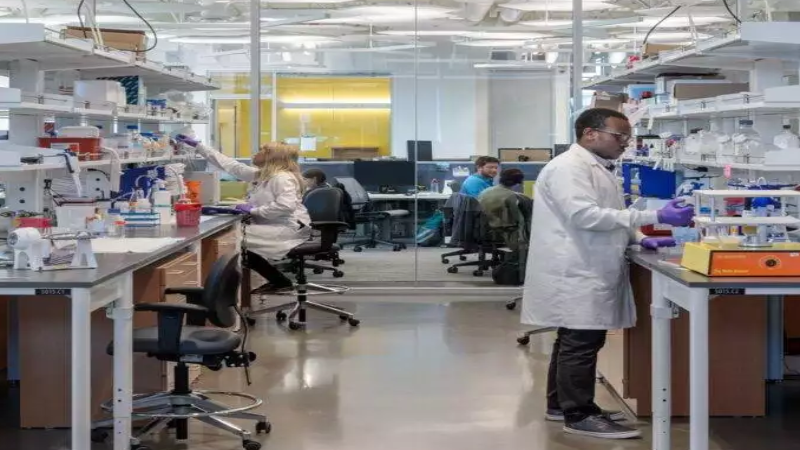
Laboratories are the birthplace of groundbreaking discoveries and innovations. The precision and reliability of lab experiments largely hinge on the setup and functional integrity of the laboratory equipment. This underscores the critical importance of professional lab equipment installation.
Below, we’ll explore why cutting corners with DIY approaches can be risky and how professional lab equipment installation ensures safety, efficiency, and long-term reliability.
The Risks of DIY Installation
The allure of saving costs and time can tempt some to opt for a do-it-yourself approach to installing lab equipment. However, this decision can quickly backfire. Laboratory instruments and systems are complex, requiring specific calibration and setup to function correctly. Any error in installation can lead to inaccurate experimental results, equipment damage, or even pose serious safety risks to lab personnel. Incidents of equipment malfunction due to improper installation underscore the dangers, with consequences ranging from minor operational delays to significant financial losses and health hazards.
The Value of Professional Installation
Entrusting lab equipment installation to professionals brings a multitude of benefits. Firstly, it guarantees that the setup adheres to the highest safety standards, mitigating the risk of accidents. Professional installers possess the expertise and experience to handle complex installations, ensuring equipment functions optimally from day one.
Beyond the immediate practical benefits, professional installation often includes warranty protection. This means that any post-installation glitches are rectified without additional costs, providing peace of mind and financial safeguarding. Testimonials from leading research institutions reveal a common theme: investments in professional equipment installation translate to smoother operations and prolonged equipment longevity.
Steps in Professional Lab Equipment Installation
Professional lab equipment installation is a meticulous process, starting from an initial site assessment to final testing and validation. This process includes an evaluation of the lab environment to ensure it meets the equipment’s operational requirements. Following this, installation experts proceed with the actual setup, paying keen attention to manufacturer guidelines and industry standards.
Safety protocols are stringent during each installation phase, with the final step involving thorough testing to verify that the equipment operates as intended. This comprehensive approach not only ensures compliance with regulatory standards but also instills confidence that the lab setup is primed for accurate and reliable research activities.
Louis Shea
Louis Shea, an experienced wordsmith, channels his passion for knowledge into creating compelling articles and blogs across a broad spectrum of subjects. From the realms of technology and science to the nuances of lifestyle and culture, he navigates diverse topics with precision and enthusiasm, offering invaluable insights to his audience. With a background in Journalism and a wealth of professional experience, Louis approaches each piece with a steadfast commitment to accuracy and lucidity, ensuring his readers receive credible and comprehensive information. His writing style effortlessly blends professionalism with accessibility, adept at making intricate concepts accessible to readers from all walks of life. Whether he's dissecting the latest breakthroughs in AI or unraveling the mysteries of ancient civilizations, Louis possesses a unique ability to distill complex information into engaging content that both educates and entertains. Constantly attuned to emerging trends and advancements, Louis Shea remains a trusted authority in the digital sphere, enriching the online community with his insightful perspectives and captivating narratives.