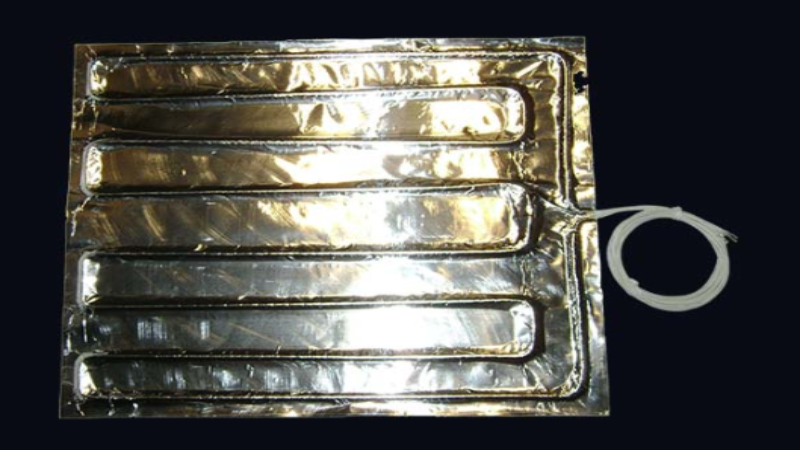
Lamination is an important process used to protect printed materials, photographs, and other items from damages such as scratches, tears, and water damage. During lamination, a plastic film is applied onto a surface using heat and pressure, but achieving the right temperature and pressure can be difficult without a lamination heater.
In this blog post, we will discuss when to use a lamination heater, why it is beneficial, and what factors to consider when choosing the right lamination machine heater price.
Types of Laminations
Before we delve into when to use a lamination heater, it would be beneficial to discuss the different types of laminations available. The two main types of laminations are hot and cold lamination. Hot lamination uses heat to melt the adhesive on the plastic film, while cold lamination uses pressure-sensitive adhesive to apply the film without heat. A heater is essential in hot lamination as it helps to melt the adhesive and bond the film to the surface.
The Materials Being Laminated
The type of material being laminated will also determine when to use a heater. Materials such as paper, photographs, and cardstock require lower temperatures and pressures compared to materials such as fabrics, plastics, and metal. Using a heater for lamination ensures that the right temperature is achieved to avoid scorching or damaging the material being laminated.
The Thickness of the Film
The thickness of the film being used also determines when to use a heater. Thicker films require higher temperatures and pressures, which can only be achieved using a lamination heater. Using a lamination heater ensures that the adhesive on the film is melted and bonded to the surface adequately.
The Application
The application of the laminated material also determines when to use a heater. Materials that are used outdoors or exposed to water require hotter temperatures and pressures to ensure that the film is bonded well enough to withstand weather elements. Using a heater for lamination also reduces the chances of the film peeling off or bubbling, especially when subjected to extreme conditions.
Louis Shea
Louis Shea, an experienced wordsmith, channels his passion for knowledge into creating compelling articles and blogs across a broad spectrum of subjects. From the realms of technology and science to the nuances of lifestyle and culture, he navigates diverse topics with precision and enthusiasm, offering invaluable insights to his audience. With a background in Journalism and a wealth of professional experience, Louis approaches each piece with a steadfast commitment to accuracy and lucidity, ensuring his readers receive credible and comprehensive information. His writing style effortlessly blends professionalism with accessibility, adept at making intricate concepts accessible to readers from all walks of life. Whether he's dissecting the latest breakthroughs in AI or unraveling the mysteries of ancient civilizations, Louis possesses a unique ability to distill complex information into engaging content that both educates and entertains. Constantly attuned to emerging trends and advancements, Louis Shea remains a trusted authority in the digital sphere, enriching the online community with his insightful perspectives and captivating narratives.