Efficient temperature control is essential in many industrial and commercial environments. From manufacturing plants to large commercial buildings, cooling systems play a major role in maintaining productivity, protecting equipment, and ensuring comfortable working conditions. Among the most commonly used systems are cooling towers and chillers, both of which are designed to remove excess heat but operate in different ways and serve unique purposes.
Cooling towers and chillers are often used together in industrial cooling applications because they provide a reliable and energy-efficient process for temperature management.
Businesses that understand how these systems function can make better decisions regarding maintenance, upgrades, and long-term operational efficiency.
What Is a Chiller and How Does It Work?
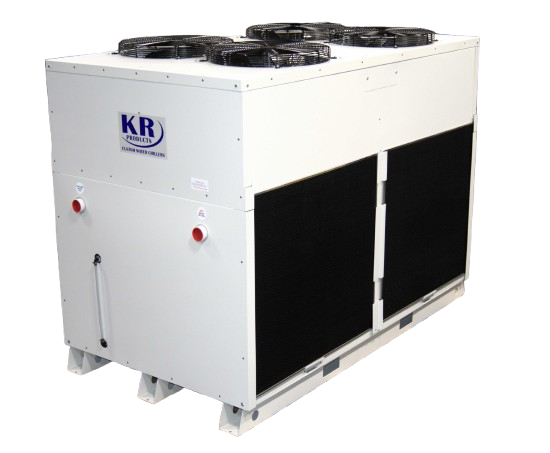
A chiller is a mechanical system designed to remove heat from liquid, usually water, through a refrigeration cycle. The cooled water is then circulated through equipment or air-handling systems to absorb heat from the environment.
Chillers are commonly found in facilities such as hospitals, manufacturing plants, data centers, hotels, and office buildings.
There are two primary types of chillers:
-
Air-cooled. Using ambient air to release heat.
-
Water-cooled. Relying on cooling towers to remove heat from the refrigerant system
Water-cooled systems are often preferred in larger facilities because they typically offer higher energy efficiency and better performance in demanding applications.
How Cooling Towers Support Heat Rejection
Cooling towers serve a different but equally important function. These systems remove heat from water by allowing a portion of the water to evaporate into the atmosphere. As evaporation occurs, the remaining water cools and can be reused within the cooling cycle. Cooling towers are commonly used in conjunction with water-cooled chillers to improve heat rejection efficiency.
Industrial facilities depend on cooling towers because they help control operating temperatures in equipment such as condensers, compressors, and process machinery. Without effective heat removal, machinery can overheat, resulting in reduced efficiency, unexpected downtime, and costly repairs.
Why Cooling Towers and Chillers Are Used Together
One of the biggest advantages of combining cooling towers and chillers is improved energy efficiency.
Water-cooled chiller systems often consume less energy compared to air-cooled alternatives, especially in large-scale operations.
Lower energy consumption can significantly reduce operating costs over time, making these systems an attractive option for businesses focused on sustainability and long-term savings.
Maintenance Best Practices for Cooling Systems
Regular maintenance is critical for both cooling towers and chillers. Over time, mineral buildup, corrosion, algae growth, and debris accumulation can reduce system efficiency and create operational problems.
Routine inspections, water treatment programs, and preventive maintenance services help extend equipment lifespan and maintain optimal performance.
Water treatment is also especially important in cooling tower systems because untreated water can lead to scale formation and bacterial growth.
Proper chemical treatment helps maintain water quality, improve heat transfer efficiency, and protect system components from premature wear. Likewise, chillers require regular inspections of compressors, refrigerant levels, pumps, and electrical systems to ensure reliable operation.
Choosing the Right Cooling System for Your Facility
Improperly sized cooling equipment can lead to excessive energy usage, inconsistent temperatures, and increased strain on system components.
Working with experienced professionals helps businesses select systems that match their cooling demands while maximizing efficiency and reliability.
Emerging Technologies in Cooling Tower and Chiller Systems
As industries continue to prioritize energy conservation and environmental responsibility, advancements in cooling tower and chiller technology are becoming increasingly important.
Modern systems now include smart controls, variable-speed drives, and advanced monitoring technologies that improve performance while reducing energy waste.
Takeaway
Cooling towers and chillers remain essential components in modern industrial and commercial facilities. Their ability to efficiently manage heat helps businesses maintain productivity, protect valuable equipment, and reduce long-term operational costs.
By investing in proper system maintenance and modern cooling technologies, companies can achieve more reliable performance and greater energy efficiency for years to come.
Louis Shea
Louis Shea, an experienced wordsmith, channels his passion for knowledge into creating compelling articles and blogs across a broad spectrum of subjects. From the realms of technology and science to the nuances of lifestyle and culture, he navigates diverse topics with precision and enthusiasm, offering invaluable insights to his audience. With a background in Journalism and a wealth of professional experience, Louis approaches each piece with a steadfast commitment to accuracy and lucidity, ensuring his readers receive credible and comprehensive information. His writing style effortlessly blends professionalism with accessibility, adept at making intricate concepts accessible to readers from all walks of life. Whether he's dissecting the latest breakthroughs in AI or unraveling the mysteries of ancient civilizations, Louis possesses a unique ability to distill complex information into engaging content that both educates and entertains. Constantly attuned to emerging trends and advancements, Louis Shea remains a trusted authority in the digital sphere, enriching the online community with his insightful perspectives and captivating narratives.