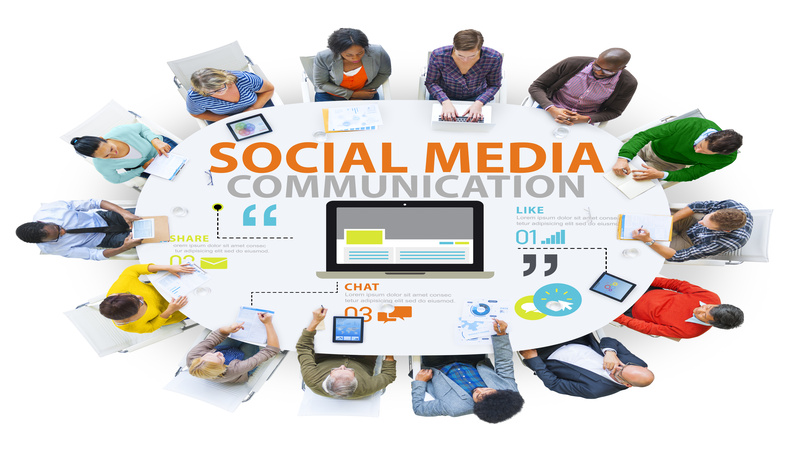
In today’s digital world, social media advertising has become a game-changer for small businesses. With billions of people using social media platforms like Facebook, Instagram, LinkedIn, and Twitter, businesses now have access to a vast audience ready to engage with their brand. For small businesses looking to grow their presence and connect with potential customers, social media advertising is a powerful tool to drive awareness, build brand loyalty, and generate sales. This blog will explore the power of social media advertising for small businesses, the benefits it offers, and how businesses can craft an effective social media strategy.
Why Social Media Advertising Matters for Small Businesses
Small businesses face a unique set of challenges, including limited resources and the need to stand out in a crowded marketplace. Traditional advertising methods can be expensive and may not always deliver the desired results. Social media advertising, on the other hand, provides a cost-effective way to reach a targeted audience, engage with customers in real-time, and measure the performance of ads with great precision.
Social media advertising allows businesses to connect with potential customers in a way that traditional advertising simply cannot match. With advanced targeting options, small businesses can ensure their ads are seen by the right people at the right time, maximizing their marketing efforts and increasing the likelihood of conversions.
The Benefits of Social Media Advertising for Small Businesses
1. Cost-Effective Marketing
One of the primary advantages of social media advertising is its cost-effectiveness. Unlike traditional advertising methods such as television or print ads, social media platforms allow small businesses to run ads with a much smaller budget. In fact, businesses can set daily or lifetime budgets, giving them full control over their spending. This is particularly beneficial for small businesses with limited marketing budgets.
Additionally, social media ads can be optimized in real-time. If an ad is not performing as expected, businesses can make adjustments to improve its effectiveness, ensuring they get the most value for their investment.
2. Targeted Advertising
Social media platforms offer advanced targeting capabilities that allow small businesses to reach specific demographics based on factors such as age, gender, location, interests, behaviors, and more. This level of targeting ensures that ads are shown to users who are most likely to be interested in the product or service being offered.
For example, a local restaurant can target users within a specific geographic location, ensuring that their ads are seen by potential customers in the area. Similarly, a fitness business can target health-conscious individuals who are interested in exercise and wellness.
This ability to target ads to the right audience improves the chances of generating leads and conversions, making social media advertising an excellent investment for small businesses.
3. Enhanced Brand Awareness and Engagement
Social media advertising is a great way to boost brand visibility and create a deeper connection with customers. Platforms like Facebook and Instagram offer various ad formats, including sponsored posts, carousel ads, and video ads, that can showcase a brand’s products, services, or values in a creative and engaging way.
Regular interaction with customers through comments, likes, and shares can help businesses build trust and credibility. Engaging with users directly on social media also provides valuable feedback that businesses can use to improve their products, services, and overall customer experience.
By consistently appearing in users’ feeds, small businesses can increase brand recognition, leading to greater customer loyalty over time.
4. Increased Website Traffic and Conversions
Social media ads not only help with brand awareness but also drive traffic to a business’s website. With the option to include links in ads, businesses can direct potential customers to landing pages, product pages, or blog posts where they can learn more about what the business offers.
For small businesses with e-commerce platforms, social media advertising can be an excellent way to boost sales by encouraging users to visit the website and make a purchase. By offering special promotions, discounts, or limited-time offers through ads, businesses can create a sense of urgency and drive immediate action from customers.
5. Trackable Results and Analytics
One of the standout features of social media advertising is the ability to track and measure the performance of ads. Social media platforms provide detailed analytics that allow businesses to monitor key metrics such as reach, impressions, click-through rates, and conversion rates. This data provides valuable insights into what is working and what needs improvement.
By analyzing the performance of different ads, businesses can optimize their campaigns for better results. The ability to track results in real-time allows businesses to make data-driven decisions that improve the effectiveness of their marketing efforts.
Developing an Effective Social Media Strategy for Small Businesses
To fully harness the power of social media advertising, small businesses need to develop a well-thought-out social media strategy. Here are some key steps to consider:
1. Define Clear Goals
Before diving into social media advertising, small businesses should define clear objectives for their campaigns. Are they looking to increase brand awareness, drive website traffic, or generate leads? Having specific goals will help guide the creation of ads and ensure they align with the overall business strategy.
2. Know Your Audience
Understanding the target audience is crucial for creating effective social media ads. Small businesses should conduct research to determine who their ideal customers are, what interests them, and where they spend their time online. This information will help businesses craft targeted ads that speak directly to the needs and desires of their audience.
3. Choose the Right Platform
Different social media platforms cater to different audiences. Small businesses should focus on the platforms where their target audience is most active. For example, Instagram and Pinterest are ideal for businesses in the fashion, food, and lifestyle industries, while LinkedIn is better suited for B2B companies.
4. Create Engaging Content
Content is king when it comes to social media advertising. Small businesses should create ads that are visually appealing, informative, and engaging. High-quality images, videos, and clear messaging can capture the attention of users and encourage them to take action.
5. Measure and Optimize
Once the ads are live, it’s important to monitor their performance and make adjustments as needed. By analyzing key metrics, small businesses can identify which ads are performing well and which need optimization. This iterative approach ensures that businesses are constantly improving their social media strategy.
Conclusion
Social media advertising is a powerful tool that can help small businesses increase visibility, engage with customers, and drive growth. By leveraging the right platforms, creating targeted ads, and consistently measuring performance, small businesses can achieve significant success with their digital marketing efforts.
For businesses looking for expert guidance and support in crafting a tailored social media strategy, partnering with a professional digital marketing company in the US can provide the expertise needed to navigate the complexities of social media advertising and achieve long-term success.
Facts We Checked, Sources Listed
Louis Shea
Louis Shea, an experienced wordsmith, channels his passion for knowledge into creating compelling articles and blogs across a broad spectrum of subjects. From the realms of technology and science to the nuances of lifestyle and culture, he navigates diverse topics with precision and enthusiasm, offering invaluable insights to his audience. With a background in Journalism and a wealth of professional experience, Louis approaches each piece with a steadfast commitment to accuracy and lucidity, ensuring his readers receive credible and comprehensive information. His writing style effortlessly blends professionalism with accessibility, adept at making intricate concepts accessible to readers from all walks of life. Whether he's dissecting the latest breakthroughs in AI or unraveling the mysteries of ancient civilizations, Louis possesses a unique ability to distill complex information into engaging content that both educates and entertains. Constantly attuned to emerging trends and advancements, Louis Shea remains a trusted authority in the digital sphere, enriching the online community with his insightful perspectives and captivating narratives.