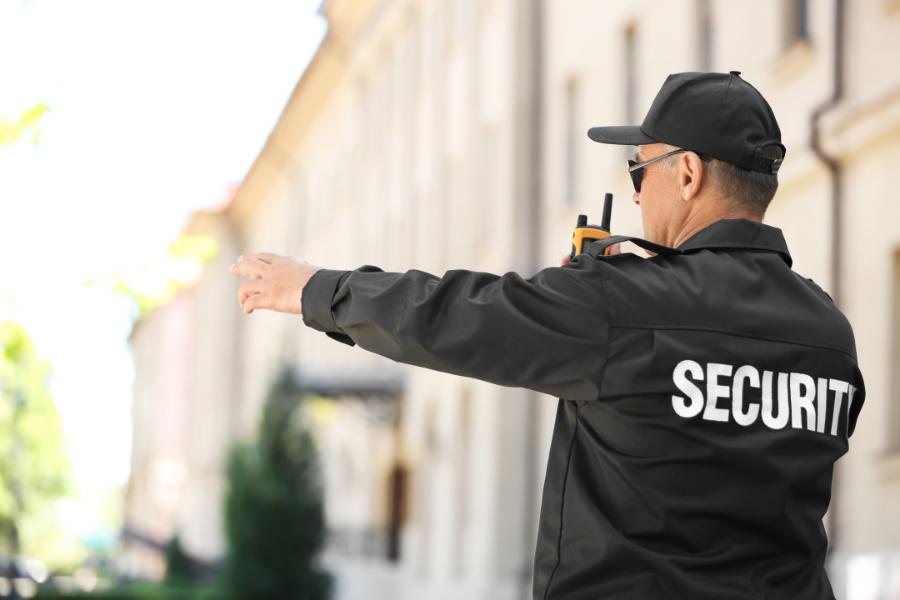
Construction site security becomes increasingly important during the interior build-out stage because projects often contain valuable materials, equipment, finished components, and multiple teams working within the same space. During this phase, security coverage may need to adapt as the site changes from structural work into a more detailed environment with increased activity and restricted areas.
Interior build-outs introduce new considerations for contractors, developers, and property managers. As walls, fixtures, electrical systems, finishes, and other interior elements are installed, maintaining awareness of the property can help support smoother project operations.
Why Does the Interior Build-Out Stage Require Different Security Considerations?
The interior build-out stage is a transition period where a construction project becomes more complex. Earlier phases may focus on major site development, while interior work often involves specialized contractors, sensitive materials, and areas that require controlled access.
During this stage, projects may include:
-
Multiple subcontractors working in different areas
-
Newly installed equipment and fixtures
-
Materials stored inside the building
-
Restricted areas with limited access
-
Increased movement throughout the property
Because the environment changes frequently, security procedures may need to adjust to match the current needs of the project.
How Does Construction Site Security Support Interior Build-Out Projects?
Security personnel help maintain awareness by observing activity, monitoring access points, and documenting important events. Their role can support project managers who need better visibility into what is happening on-site during active construction periods.
Security coverage during interior build-outs may include:
Monitoring Access Points
As more contractors and vendors enter the property, maintaining awareness of who is accessing the site becomes increasingly important. Security personnel can help monitor entrances, verify authorized activity, and support established access procedures.
Protecting Materials and Installed Components
Interior build-outs often involve materials and equipment that represent significant project investments. Security personnel can help monitor areas where these items are stored or installed.
Supporting Site Documentation
Clear documentation helps project teams understand activity occurring during construction. Security reports can provide useful information regarding observations, incidents, and unusual circumstances.
Maintaining Visibility During Off-Hours
Construction activity does not always occur continuously. Security presence during evenings, weekends, or other inactive periods can help maintain awareness when fewer project personnel are present.
What Security Challenges Can Occur During Interior Construction?
Every project has unique conditions based on its location, size, and development timeline. However, interior build-outs can create specific challenges that require thoughtful planning.
Common considerations may include:
-
Increased number of workers and vendors
-
Changing access requirements
-
Storage of valuable materials
-
Protection of completed interior areas
-
Coordination between different teams
A structured security approach helps contractors and property stakeholders respond to these challenges with better organization.
How Do Security Providers Adjust Coverage as Projects Progress?
Construction projects are constantly evolving. Security needs during the early stages of development may differ from those during interior finishing and final preparation.
A security plan may be adjusted based on:
-
Current construction activities
-
Areas requiring additional monitoring
-
Changes in site access
-
Project timelines
-
The number of workers present
Flexibility allows security procedures to remain aligned with the actual conditions of the project rather than relying on a one-size-fits-all approach.
Why Is Access Control Important During Interior Build-Outs?
Access control becomes especially important when a project contains completed spaces alongside unfinished areas. Contractors may need to protect specific sections of the property while allowing authorized teams to continue their work.
Security personnel can help support access awareness by monitoring movement, identifying unauthorized activity, and communicating concerns to appropriate contacts.
Companies reviewing their security options may consider working with a security guard company that understands the changing requirements of active construction environments.
How Does Security Support Project Coordination?
Construction projects involve coordination between owners, contractors, vendors, and workers. Communication plays an important role in keeping everyone informed about site conditions and potential concerns.
Security personnel can support coordination by:
-
Reporting unusual activity
-
Communicating observations
-
Maintaining records
-
Following established procedures
-
Providing information to project representatives
This communication helps project teams maintain better awareness throughout the build-out process.
What Should Contractors Consider When Planning Security Coverage?
Before establishing security coverage, contractors and project managers should evaluate several factors, including:
-
The size and layout of the project
-
Current construction activities
-
Access points and restricted areas
-
Materials and equipment on-site
-
Expected working hours
-
Communication procedures
Understanding these factors helps create security plans that match the project’s current stage and requirements.
How Does Professional Security Support Tucson Construction Projects?
Construction projects throughout Tucson, AZ continue to develop across commercial, industrial, and other property types. As projects move into the interior build-out stage, maintaining proper oversight becomes an important part of protecting progress and supporting organized operations.
Security guard agencies and security providers help construction teams address changing conditions by providing monitoring, communication, and reporting support throughout different phases of development.
A proactive approach to construction site security helps project stakeholders maintain visibility while work continues toward completion.
Supporting Construction Progress Through Better Security Planning
The interior build-out stage represents an important transition in any construction project. As spaces become more finished and activity increases, security procedures should adapt to reflect new risks and operational needs.
By maintaining clear communication, monitoring access, and supporting consistent oversight, security coverage can help construction teams protect their progress and maintain better control throughout the project lifecycle.
Louis Shea
Louis Shea, an experienced wordsmith, channels his passion for knowledge into creating compelling articles and blogs across a broad spectrum of subjects. From the realms of technology and science to the nuances of lifestyle and culture, he navigates diverse topics with precision and enthusiasm, offering invaluable insights to his audience. With a background in Journalism and a wealth of professional experience, Louis approaches each piece with a steadfast commitment to accuracy and lucidity, ensuring his readers receive credible and comprehensive information. His writing style effortlessly blends professionalism with accessibility, adept at making intricate concepts accessible to readers from all walks of life. Whether he's dissecting the latest breakthroughs in AI or unraveling the mysteries of ancient civilizations, Louis possesses a unique ability to distill complex information into engaging content that both educates and entertains. Constantly attuned to emerging trends and advancements, Louis Shea remains a trusted authority in the digital sphere, enriching the online community with his insightful perspectives and captivating narratives.