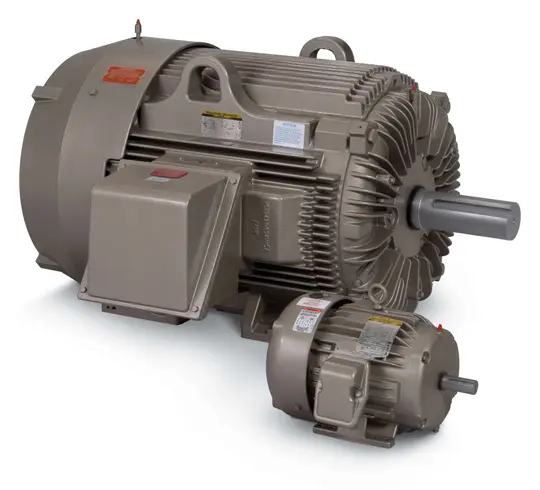
Selecting a motor for an industrial facility involves more than matching horsepower to a machine. Operating conditions, starting demands, maintenance access, and energy use all affect long-term performance. For facility managers researching ABB baldor motors connecticut, understanding these factors can help narrow options and support dependable operation across production, material handling, and building systems.
Match the Motor to the Application
Start with the equipment the motor will drive. Pumps, fans, conveyors, compressors, and machine tools each place different demands on a motor. Record the required horsepower, operating speed, voltage, phase, frequency, and mounting arrangement, then compare those details with the equipment’s nameplate and manufacturer specifications.
Also consider how the machine operates throughout a typical shift. A motor that runs continuously has different thermal and duty requirements from one that starts and stops frequently. High-inertia loads may need additional starting torque, while variable-speed applications may require a motor and control system designed to work together. Confirming these details before ordering helps prevent fit problems, nuisance trips, and premature wear.
Account for Connecticut Operating Conditions
Facilities in Connecticut may face seasonal temperature changes, indoor humidity, dust, washdown, or exposure to corrosive materials. These conditions influence enclosure selection and insulation requirements. An open design may suit a clean, dry area with good airflow, while a more protective enclosure may be appropriate where contaminants or moisture are present. The right choice depends on the actual location—not simply the building’s general environment.
Check the motor’s temperature rating and cooling requirements as well. Restricted airflow, high ambient temperatures, or installation near other heat-producing equipment can raise operating temperature and shorten service life. Keep ventilation paths clear, and avoid enclosing a motor unless its cooling needs are addressed in the design.
Plan for Efficient Installation and Operation
Before installation, verify that the motor’s electrical characteristics match the facility’s supply and control equipment. Confirm shaft dimensions, coupling or belt requirements, rotation direction, mounting position, and available clearance. A qualified electrician or maintenance technician should review wiring, grounding, overload protection, and any variable-frequency drive settings.
Alignment is just as important as electrical compatibility. Misaligned shafts, excessive belt tension, or an unbalanced load can increase vibration and bearing stress. After installation, check the motor under normal operating conditions and record baseline readings for vibration, temperature, and current. These measurements make it easier to spot changes before they become failures.
Build a Practical Maintenance Routine
A consistent preventive-maintenance schedule can protect uptime and extend equipment life. The right tasks depend on the motor design and application, but facilities can generally:
- Inspect for unusual noise, vibration, heat, or odor.
- Keep cooling openings and surrounding areas clean.
- Check mounting bolts, guards, and electrical connections.
- Monitor current draw and compare it with expected operating levels.
- Follow manufacturer guidance for lubrication and bearing service.
Document inspection results and repairs. A simple maintenance history can reveal recurring problems, such as contamination, overload, poor alignment, or inadequate ventilation. Addressing the underlying cause is usually more effective than repeatedly replacing a damaged component.
Reliable motor performance comes from selecting equipment suited to the load and environment, installing it correctly, and monitoring it over time. By confirming specifications, planning for local operating conditions, and following a disciplined maintenance routine, Connecticut facilities can reduce avoidable downtime and keep essential systems running dependably.
Louis Shea
Louis Shea, an experienced wordsmith, channels his passion for knowledge into creating compelling articles and blogs across a broad spectrum of subjects. From the realms of technology and science to the nuances of lifestyle and culture, he navigates diverse topics with precision and enthusiasm, offering invaluable insights to his audience. With a background in Journalism and a wealth of professional experience, Louis approaches each piece with a steadfast commitment to accuracy and lucidity, ensuring his readers receive credible and comprehensive information. His writing style effortlessly blends professionalism with accessibility, adept at making intricate concepts accessible to readers from all walks of life. Whether he's dissecting the latest breakthroughs in AI or unraveling the mysteries of ancient civilizations, Louis possesses a unique ability to distill complex information into engaging content that both educates and entertains. Constantly attuned to emerging trends and advancements, Louis Shea remains a trusted authority in the digital sphere, enriching the online community with his insightful perspectives and captivating narratives.