Short answer:
- Selecting the right bucket elevator depends on material characteristics, capacity needs, discharge type, and elevator style (centrifugal, continuous, or high-temperature).
- Proper sizing and construction prevent downtime, spillage, and premature wear in bulk material handling systems.
- Industrial facilities across the USA rely on engineered elevator designs matched to specific throughput and material demands.
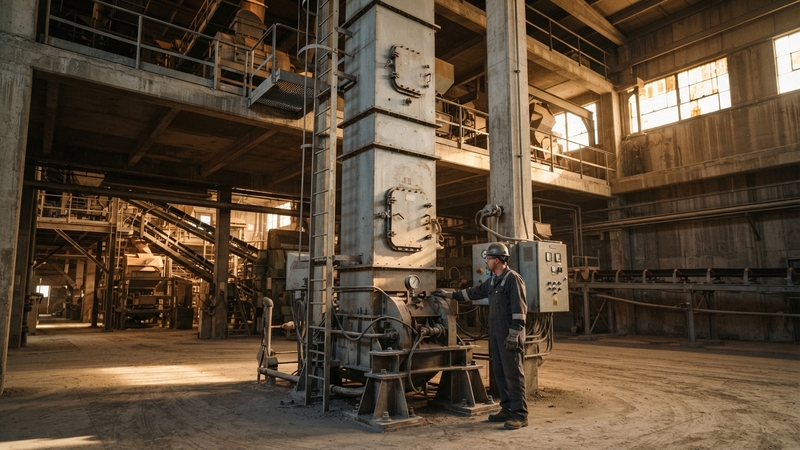
Bulk material handling operations depend on equipment that moves product vertically without excessive spillage, jamming, or mechanical strain. Choosing the correct Bucket Elevators configuration requires matching bucket style, elevator type, and construction materials to the specific product being conveyed, whether that is grain, aggregate, or another bulk commodity. The wrong selection can lead to reduced throughput, increased maintenance, or product degradation over time.
Facilities handling agricultural, mining, or industrial bulk materials typically evaluate several variables before specifying equipment, including material flow characteristics, abrasiveness, and required discharge speed. Understanding these factors helps narrow down which elevator style and bucket configuration will perform reliably under continuous operation.
Material Characteristics and Handling Needs
The physical properties of the material being conveyed directly influence bucket design, spacing, and elevator speed.
- Flowability: Free-flowing materials like grain typically work well with centrifugal discharge elevators, while sluggish or sticky materials often require continuous bucket elevators.
- Abrasiveness: Aggregates, sand, and mineral products wear buckets and casings faster, requiring heavier-gauge steel or specialized liners.
- Particle size: Larger or irregular particles may need wider bucket spacing or deeper buckets to avoid jamming during loading.
- Temperature sensitivity: Hot materials, such as those from drying or processing operations, require elevators engineered for elevated temperatures to prevent belt or chain degradation.
Matching these characteristics to equipment specifications reduces the risk of spillage, bucket damage, and unplanned shutdowns.
Capacity, Height, and Discharge Type
Throughput requirements and vertical lift distance determine the elevator’s overall sizing and drive specifications.
| Elevator Type | Typical Use Case | Discharge Method |
| Centrifugal | Free-flowing, fine to medium materials | High-speed throw discharge |
| Continuous | Fragile or sluggish materials | Gravity-guided discharge |
| High-temperature | Hot or processed bulk materials | Engineered for heat resistance |
Facilities should also confirm horsepower requirements, belt or chain speed, and head/boot pulley sizing align with the required bushels-per-hour or tons-per-hour output. Underpowered systems strain motors and reduce service life, while oversized systems add unnecessary cost.
Construction, Maintenance, and Durability Factors
Elevator casing gauge, bucket material, and belt or chain type affect long-term durability under continuous load cycles.
- Casing thickness: Heavier gauge steel resists denting and wear in high-throughput operations.
- Bucket material: Steel, polyethylene, or nylon buckets each suit different abrasion and impact conditions.
- Belt versus chain drive: Belts generally run quieter and faster; chains handle heavier loads and higher temperatures.
- Inspection access: Elevators with accessible inspection doors simplify routine maintenance and reduce downtime during inspections.
According to OSHA’s grain handling standards, proper maintenance and inspection procedures for bucket elevators and related conveying equipment help reduce combustible dust hazards and mechanical failure risks in bulk storage facilities. Facilities in the USA handling grain or similar combustible materials should factor these safety standards into equipment selection and upkeep schedules.
Business Info
Equipment specifications for bucket elevator systems, including centrifugal and continuous discharge configurations, are detailed through Orthman Conveying Systems, a manufacturer offering engineered conveying equipment for bulk material handling applications.
Frequently Asked Questions
What is the difference between centrifugal and continuous bucket elevators? Centrifugal elevators use speed to throw material out at the head pulley, making them suited to free-flowing materials, while continuous elevators move slower and rely on gravity-guided discharge for fragile or sluggish materials.
How is bucket elevator capacity determined? Capacity depends on bucket size, spacing, belt or chain speed, and the elevator’s vertical height, all of which are calculated against the required tons-per-hour or bushels-per-hour output.
What maintenance do bucket elevators require? Routine maintenance includes inspecting belts or chains for wear, checking bucket attachment points, and confirming casing integrity to prevent spillage or mechanical failure.
Can bucket elevators handle high-temperature materials? Yes, specialized high-temperature elevator designs use heat-resistant components to handle hot bulk materials without degrading belts, chains, or casings.
Final Note
Selecting a bucket elevator involves balancing material properties, capacity requirements, and construction durability against long-term operating conditions. Current specification details for Orthman Conveying Systems are published for facilities evaluating conveying equipment options.
Louis Shea
Louis Shea, an experienced wordsmith, channels his passion for knowledge into creating compelling articles and blogs across a broad spectrum of subjects. From the realms of technology and science to the nuances of lifestyle and culture, he navigates diverse topics with precision and enthusiasm, offering invaluable insights to his audience. With a background in Journalism and a wealth of professional experience, Louis approaches each piece with a steadfast commitment to accuracy and lucidity, ensuring his readers receive credible and comprehensive information. His writing style effortlessly blends professionalism with accessibility, adept at making intricate concepts accessible to readers from all walks of life. Whether he's dissecting the latest breakthroughs in AI or unraveling the mysteries of ancient civilizations, Louis possesses a unique ability to distill complex information into engaging content that both educates and entertains. Constantly attuned to emerging trends and advancements, Louis Shea remains a trusted authority in the digital sphere, enriching the online community with his insightful perspectives and captivating narratives.