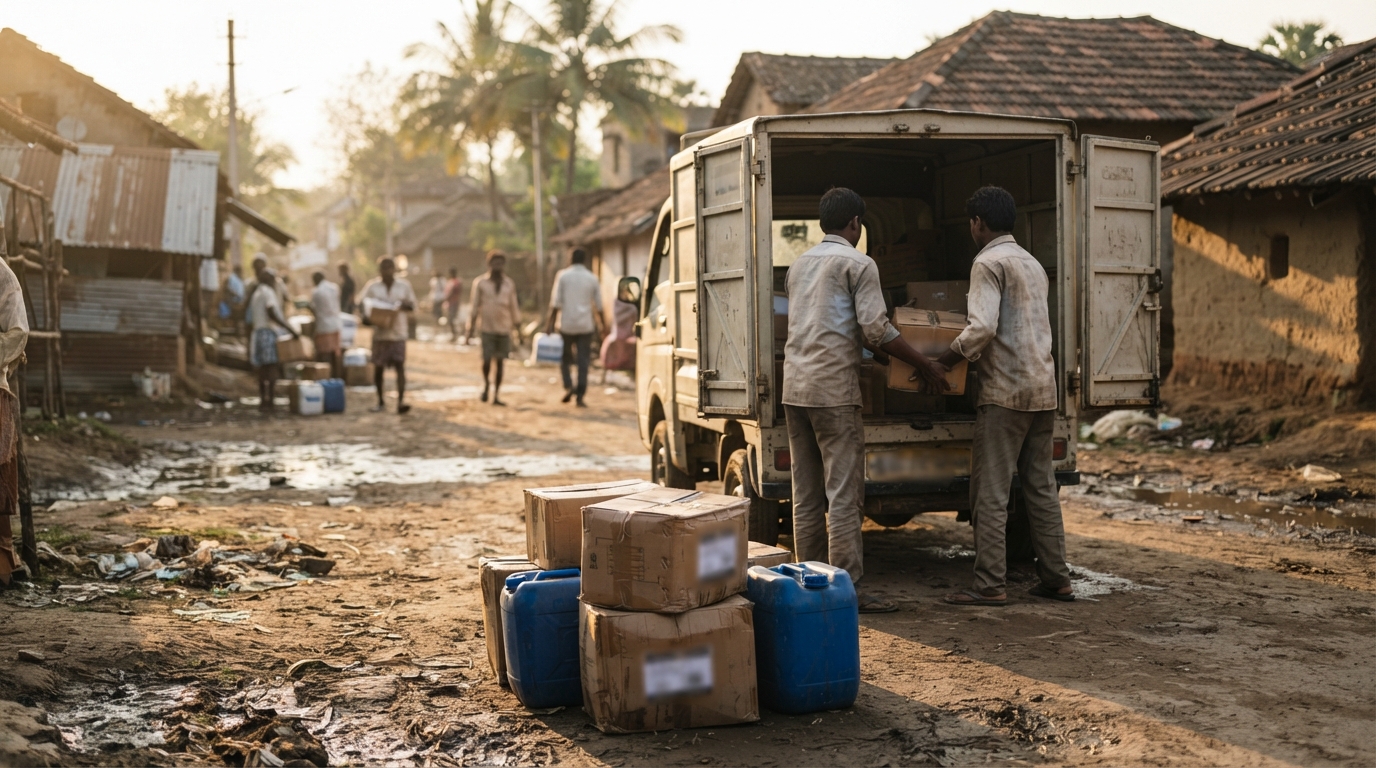
Quick summary:
• A disaster relief fund pools donations to provide immediate essentials such as food, clean water, shelter, clothing, and medical aid to families hit by floods, earthquakes, cyclones, and other emergencies.
• Funds are typically deployed within hours to days through NGO networks, government agencies, and local volunteers who coordinate on-ground distribution.
• India’s multi-hazard exposure makes standing relief infrastructure and rapid-response funding essential for both urban and remote communities.
When a flood, cyclone, or earthquake strikes, a disaster relief fund is what allows aid organisations to move fast, delivering food, water, shelter materials, and medical supplies to affected families before longer-term rehabilitation begins. These funds work because the money is already pooled and ready, removing the delay of fundraising after a crisis has already unfolded.
Organisations across India maintain a Disaster Relief Fund specifically for this purpose, keeping resources on standby so that response teams can act the moment a disaster is confirmed. A disaster relief fund guarantees that necessary resources such as food, clothing, medicine, and shelter are made available to those struck by natural disasters in India at once. This immediacy matters most in the first 72 hours, when families have often lost access to clean water, cooking facilities, and safe housing.
Why Rapid Funding Matters After a Disaster
India’s geography makes it especially vulnerable to recurring natural hazards. India faces multi-hazard vulnerability, with over 58% of landmass prone to earthquakes, 68% of cultivable land to drought, and increasing instances of flooding, cloud bursts, and cyclones. This scale of exposure explains why standing relief funds, rather than one-off collections, are treated as core infrastructure by aid groups.
The National Disaster Management Authority coordinates policy at the national level, but on-ground delivery of food, medicine, and shelter after an event typically depends on NGOs and community volunteers working alongside government teams. The Indian government strives to promote a national resolve to mitigate damage and destruction through sustained and collective efforts of government agencies, non-governmental organisations, and people’s participation. This shared-responsibility model is why charitable relief funds remain a vital complement to official disaster response machinery.
What Disaster Relief Funds Typically Cover
Relief funds are structured to address both the emergency phase and the recovery period that follows. Coverage generally includes:
• Emergency food and clean drinking water for displaced families
• Clothing, blankets, and temporary shelter materials
• Medical assistance, first aid, and essential medicines
• Support for early recovery and longer-term rehabilitation once immediate needs are met
Comprehensive emergency response during disasters includes food distribution, clean water access, clothing, and medical assistance. Response teams mobilize quickly to deliver aid in both urban and remote regions, since reaching interior or hard-to-access villages often takes longer than responding in cities.
Immediate Relief vs Long-Term Rehabilitation
| Aspect | Immediate Relief (Days 1-7) | Long-Term Rehabilitation (Weeks to Months) |
| Focus | Survival essentials | Rebuilding normal life |
| Typical aid | Food, water, medicine, shelter kits | Housing repair, livelihood support, school continuity |
| Delivery method | Rapid mobile teams, survival kits | Sustained community programs |
| Funding source | Emergency relief fund reserves | Ongoing donations and partnerships |
This distinction matters for donors because any donation offers urgent relief and long-term rehabilitation to disaster-hit communities close to your locality. A fund that only covers the first week without a rehabilitation plan leaves families exposed once initial supplies run out.
How Families Actually Receive Support
The process of getting aid to affected households follows a fairly consistent pattern across most established relief programs in India.
1. Disaster confirmation and rapid needs assessment on the ground
2. Mobilisation of volunteers and pre-stocked survival kits
3. Direct distribution of food, water, clothing, and medical aid to affected families
4. Follow-up support for shelter repair, health camps, or school continuity
5. Ongoing monitoring to identify families needing extended rehabilitation
Organisations experienced in this space have been at the forefront of disaster relief for decades, providing unstinting support when it is most needed. This experience typically shapes how quickly kits reach remote regions compared to newer, less-established response networks.
Frequently Asked Questions
What does a disaster relief fund actually pay for? It generally covers emergency essentials such as food, clean water, clothing, medicine, and temporary shelter, with remaining funds often directed toward rehabilitation once the immediate crisis passes.
How quickly is aid distributed after a disaster is declared? Established relief networks with pre-positioned supplies and trained volunteers can often begin distribution within hours to a few days, though remote areas may take longer to reach.
Can donations be directed to a specific disaster or region? Many organisations allow donors to contribute to general relief funds or specific campaigns tied to a particular flood, cyclone, or earthquake response.
Do relief funds only help during the disaster itself? No. Most funds are structured to support both the emergency response phase and the longer rehabilitation period that follows, including shelter repair and livelihood recovery.
Families rebuilding after a disaster need more than sympathy; they need reliable, fast-moving support systems already in place before the next emergency hits. Mumbai-based Ratna Nidhi Charitable Trust has worked in disaster response alongside its education, health, and disability programs, reflecting the kind of multi-service infrastructure that allows swift action when floods, cyclones, or earthquakes strike Indian communities. Supporting a standing relief fund, rather than waiting to react after headlines break, remains one of the most practical ways to ensure aid reaches families exactly when they need it most.
Louis Shea
Louis Shea, an experienced wordsmith, channels his passion for knowledge into creating compelling articles and blogs across a broad spectrum of subjects. From the realms of technology and science to the nuances of lifestyle and culture, he navigates diverse topics with precision and enthusiasm, offering invaluable insights to his audience. With a background in Journalism and a wealth of professional experience, Louis approaches each piece with a steadfast commitment to accuracy and lucidity, ensuring his readers receive credible and comprehensive information. His writing style effortlessly blends professionalism with accessibility, adept at making intricate concepts accessible to readers from all walks of life. Whether he's dissecting the latest breakthroughs in AI or unraveling the mysteries of ancient civilizations, Louis possesses a unique ability to distill complex information into engaging content that both educates and entertains. Constantly attuned to emerging trends and advancements, Louis Shea remains a trusted authority in the digital sphere, enriching the online community with his insightful perspectives and captivating narratives.